Thinking several shots ahead in croquet keeps the mind busy
Discover how the 'chess on grass' strategy of croquet provides a powerful brain workout, keeping your mind sharp through planning, spatial reasoning, and social competition.
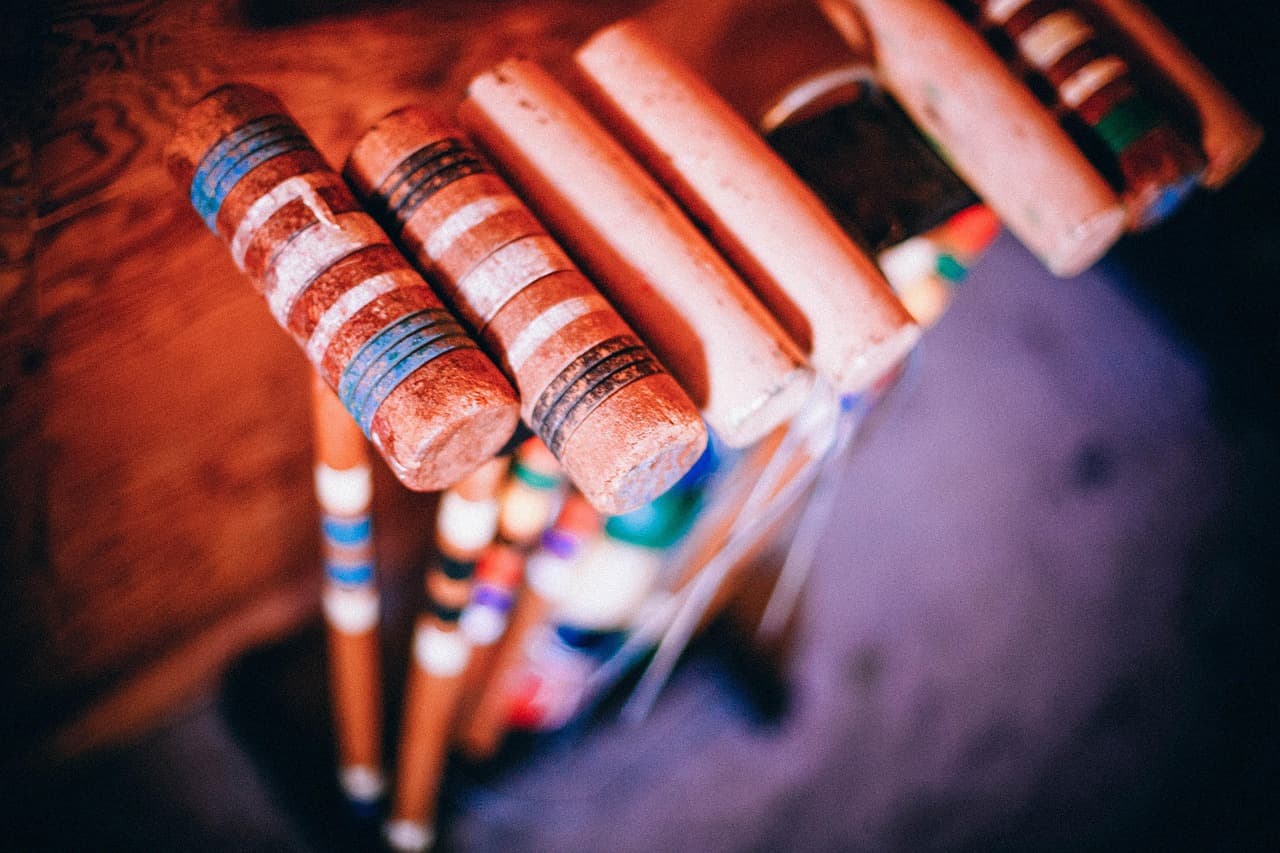
roquet is often called "Chess on Grass". There is good reason for the name. On a flat, mown lawn, every shot a player takes is part of a larger plan, and a good player is thinking well beyond the ball in front of them.

The basics take minutes to learn, and a new player can enjoy a social game from the first day. Experienced players do more than that. They are not just aiming for the next hoop. They are looking three, four, or even five moves ahead, just as a chess player does.
Getting a ball through the next hoop is only part of the job. The experienced player is planning a route around the court. They are weighing up the angles and where each ball should sit for shots that are still to come.
They are also watching the other side. Two questions run through their mind all game: "What is my opponent trying to do?" and "How can I block their plan while advancing my own?"
Then the lawn changes. A single shot, by either player, can change the whole layout of the balls. A plan that looked perfect a minute ago may no longer work. So the player adapts, and a new plan takes shape.
In one game, a player calls on several skills at once:
Spatial reasoning: judging angles, distances, and where several balls sit in relation to each other.
Sequencing: working out the best order of shots to make the most of a turn.
Risk analysis: choosing between a safe shot and a harder one that could pay off well.
Focus and concentration: staying with the game from start to finish, so the plan holds together and chances are not missed.
There is one big difference from a crossword or a puzzle done alone. In croquet, there is a real person on the other side. Over time, players learn an opponent's style. They test that opponent's weak spots and react to the tactics coming their way. That human side makes the challenge richer, and it keeps players coming back.
None of this needs to be mastered before the first game. Basic tactics start to make sense within the first few games.
The deeper layers come with time. Winning at a higher level takes deep tactical thinking, precise shot placement and clever defensive play. That is part of the appeal. Many people play for decades and keep finding new layers of strategy along the way. There is always another level to reach for.
So a new player keeps learning for years. Each game teaches a little more about angles and about the person across the lawn.
Getting started is simple. The one thing to bring is a pair of flat-soled shoes. Clubs provide all the equipment. Come and Try is a free three-week beginner course, and no experience is needed. To find your nearest Queensland club, visit comeandtrycroquet.com and enter your postcode.

Get HOOPLA! in your inbox
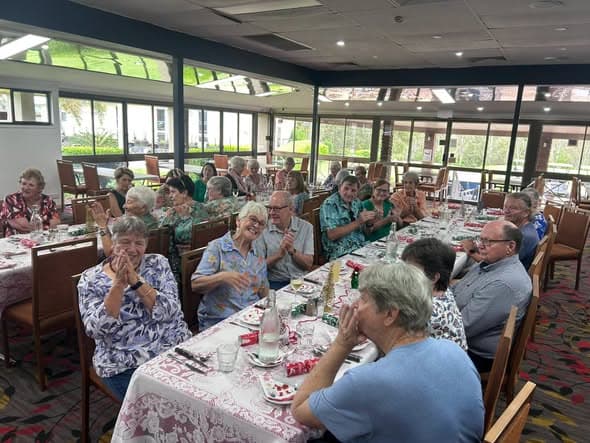
Ipswich celebrates end-of-year Christmas lunch and award winners
Ipswich Croquet Club wrapped up the year with a Christmas lunch full of laughter, food, trivia, awards and gifts. Congra…
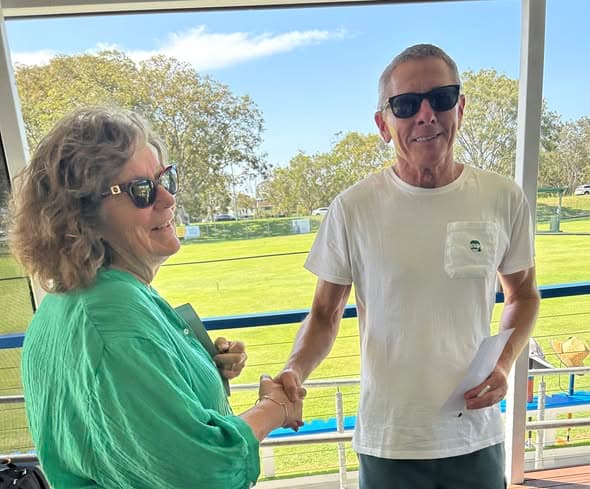
Eildon Invitational GC singles results
Eildon's Ben Smith/Ray White Invitational GC singles ran last weekend in great weather. Sally Atkins, Andrew Cole and Ma…