Brisbane's twenty councils, and the croquet clubs that outlived them
On 1 October 1925 twenty Brisbane councils were abolished to form one Greater Brisbane City Council. A century on, Brisbane's croquet clubs still mark where those old town and shire boundaries were.
October 1925 was the day the Greater Brisbane scheme changed the city's map. It abolished twenty local authorities. The cities of Brisbane and South Brisbane vanished. Five towns disappeared: Hamilton, Ithaca, Sandgate, Toowong and Windsor. Twelve shires were also dissolved: Balmoral, Belmont, Coorparoo, Enoggera, Kedron, Moggill, Sherwood, Stephens, Taringa, Tingalpa, Toombul and Yeerongpilly.

All these bodies were merged into the single Brisbane City Council. The boundaries that had defined local politics for decades were erased. Every year there are fewer physical traces of them left.
Six Brisbane croquet clubs still remain today as a vestige to how Brisbane used to be run.
Some of these clubs are older than the 1925 amalgamation. Others carry the names of councils that no longer existed by the time the clubs themselves were formed. Our clubs remain as institutions still standing on those old Brisbane lines.
Windsor's clubhouse proudly states it was established in 1915. This date places the club's origin a full decade before the Greater Brisbane scheme took effect.

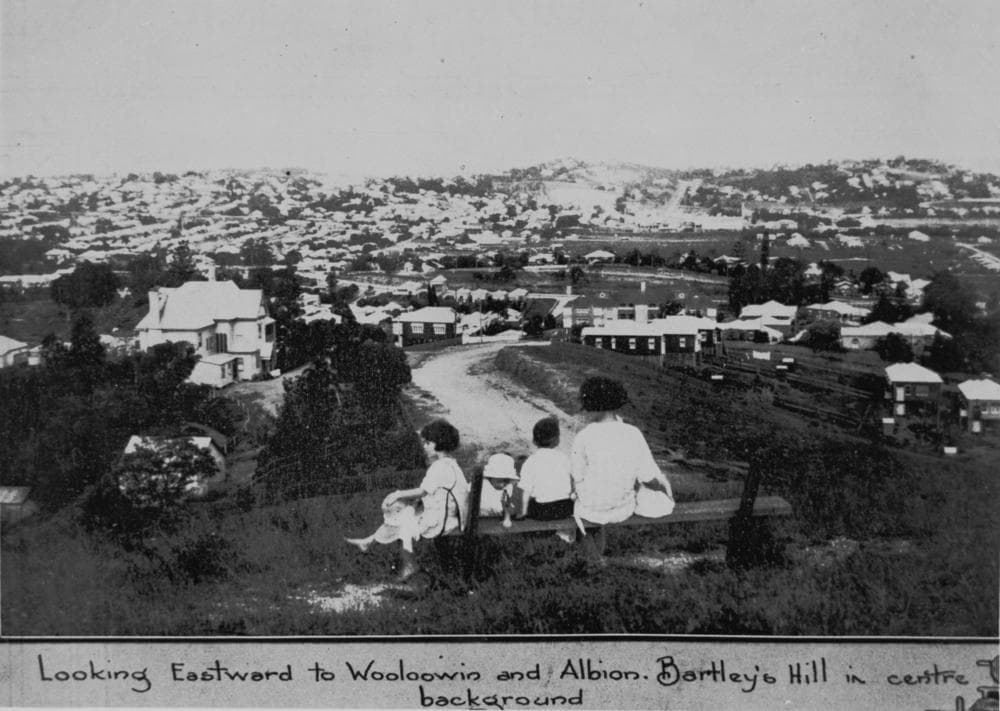
Looking eastward from Eildon Hill, Windsor, toward Wooloowin and Albion, 1925, the same year Greater Brisbane absorbed the Town of Windsor.Published in The Queenslander, 28 March 1925. State Library of Queensland (public domain).
The club's relationship with its local government was formal and direct.
On 6 May 1921, "a satisfactory lease of a portion of the park was arranged with the Windsor Town Council." This lease was signed four years before the Windsor Town Council was abolished.
Although McIlwraith Croquet Club was named after a benefactor it follows a similar pattern of creation to Windsor. It was founded in September 1923. Only a couple of months later, in December 1923, a deputation led by Alice Maxwell secured a 21-year lease from the Toowong City Council, a legal agreement with a landlord that would soon cease to exist.
The Toowong City Council was abolished in the 1925 amalgamation. The lease secured by Alice Maxwell outlived its own landlord by twenty years. The club continues to operate on that land today. The clubhouse is on the Heritage Register as a living relic of time.

Members of McIlwraith Croquet Club, Brisbane, around the 1930s, on the ground Lady Harriette McIlwraith gave to the old Toowong Town Council in 1911.State Library of Queensland (public domain).
The Stephens Croquet Club in Yeronga also has outlasted its council namesake. The club's history states it was founded on 15 October 1923. And according to this account, Cr F. A. Stimpson personally ploughed the ground for the courts. Stimpson was a real figure in the Stephens Shire.
Stephens Shire was abolished twenty months after the club was founded. The shire vanished, but the club keeps the name Stephens. The club's own account adds that its founding members "were taught the game by members of East Brisbane Croquet Club," a fraternal link between two of our historic clubs.

Children on the swings and maypole at Yeronga State School, 1923, the same year Cr F. A. Stimpson personally ploughed the ground for Stephens Croquet Club a short walk away in Yeronga Park.Published in The Queenslander, 24 March 1923. State Library of Queensland (public domain).
The Toombul Croquet Club in Nundah is the opposite case. It was founded nearly three years after the 1925 amalgamation had already abolished the Toombul Shire Council. The club did not deal with a shire council because that body no longer existed.
Instead, the club applied to the new Brisbane City Council for land in the Nundah Recreation Reserve. BCC heritage citation 1311 that covers our Toombul Club confirms they requested an area to be set aside for two croquet courts. The new council granted them a twenty-year lease at a rental of £5 per court per annum.
In 1929, the club moved a former Hendra Day School building onto the site to serve as its clubhouse.

Looking from Northgate Hill back towards Nundah, with Mt Coot-tha in the distance, 1921, seven years before Toombul Croquet Club applied to the new Brisbane City Council for its courts in the Nundah Recreation Reserve.Published in The Queenslander, 19 March 1921. State Library of Queensland (public domain).
Despite the fact that the Toombul Shire was gone before the club's first application, the club adopted the name of the former shire anyway. That is why although in Nundah, the club takes the Toombul name.
William A. Jolly, of the bridge fame, became the first Lord Mayor of Greater Brisbane. He had been a Windsor alderman, on one of the twenty small councils, before becoming Lord Mayor of the single large Brisbane.
A Brisbane Courier article from 2 March 1931 records that Jolly officially opened the lawns and clubhouse of the Toombul Croquet Club.
The Wynnum Croquet Club was formed in 1925. Its BCC heritage citation states that Lady Mayoress Mrs J. Greene served as its founding patroness. This was the last year the council existed, and Lady Mayoress Greene became plain Mrs Greene.

A crowd on the Wynnum Esplanade in front of the Empire Theatre, around 1919, six years before Wynnum Croquet Club formed in 1925 with Lady Mayoress Mrs J. Greene as its patroness.State Library of Queensland (public domain).
However the title would return to Mrs J. W. Greene. Merthyr's history says she appeared again on 28 February 1934 where she opened the new clubhouse at the New Farm croquet courts as Mayoress once again, this time of all of Brisbane.

Croquet courts at New Farm, 1921, four women mid-game with spectators watching from the seats. This is the same site where Merthyr Croquet Club held its official opening three years later, in July 1924.Published in The Queenslander, 26 February 1921. State Library of Queensland (public domain).
Merthyr's own club history adds more detail about its early struggle for land. Croquet in New Farm originally used a lawn attached to the New Farm Bowling Club. That club opened in 1907-08 but eventually disbanded. The club's account says a suitable area was not procured until 1923.
After moving from the bowls club, the new courts at Merthyr had their grand opening on 27 July 1924. The ceremony was performed by the Mayoress of Brisbane (the local council), Mrs M. J. Barry. A year later, she joined the line of "former Mayoresses."
The twenty councils of old Brisbane left almost no trace in the modern city. The streets and suburbs remain, but the administrative lines are gone. Our croquet clubs are institutions still standing on those old boundaries, still using the names of shires and towns that vanished a century ago.

Get HOOPLA! in your inbox
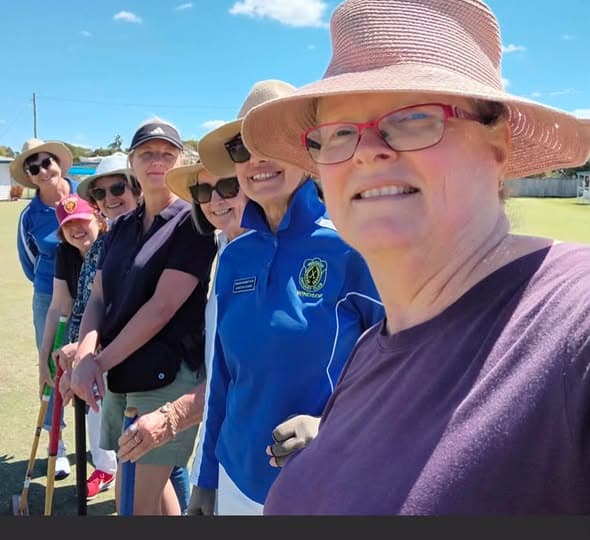
St Columba School visits Windsor Croquet Club
Members welcomed students from St Columba School for a day of croquet and lunch at the Albion, fostering community engag…
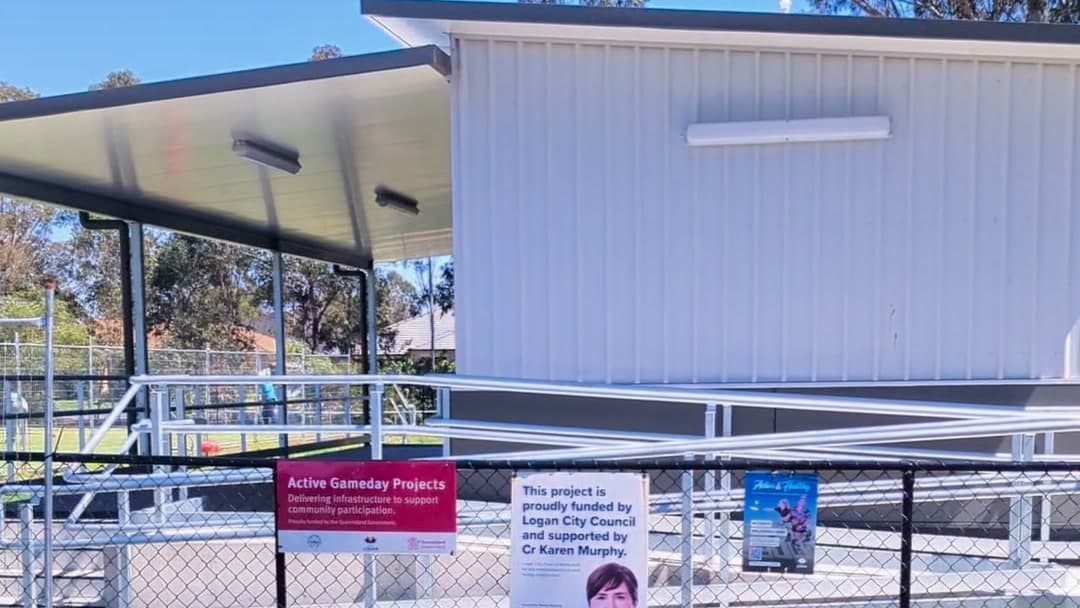
Have a gander at Twin Rivers' New Clubhouse
Ten years with no ground of its own, then courts and a shed. Now Twin Rivers has a clubhouse. Take a walk round with Wad…