YOU DECIDE: Clearance Shot Fouls
Some golf croquet clearances sit right on the line between a clean strike and a fault. Watch the clip, make your call on each, and debate it out below. No names, no logins.
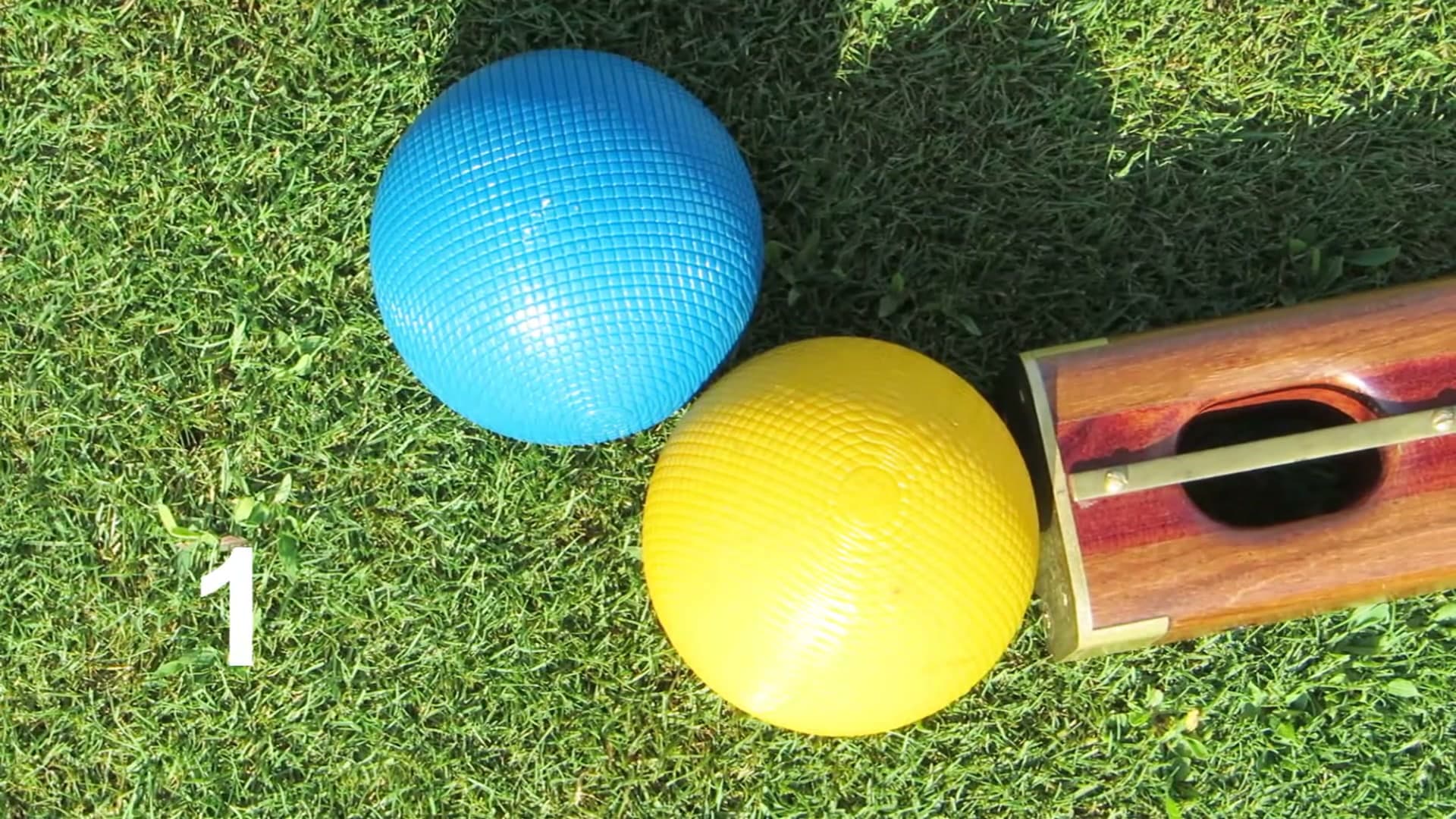
eckon you've got a referee's eye?

Some golf croquet clearances sit right on the line between a clean strike and a fault, and even experienced players don't always agree. So we thought we would put it to you.
Watch the clip. It runs through a set of firm clearances, each one numbered. Make your call on each: foul or fair? We are not going to tell you who is right. That is exactly what the discussion is for.
A clearance can cross the line in a few ways. Keep an eye out for:
The push. When the balls are close, a firm clearance can slide into maintained contact. The mallet should strike the ball and come away clean. Linger a fraction too long and you have pushed it.
A double contact. On a heavy hit, the striker's ball can catch the same ball a second time. One clear hit and the stroke is legal. Catch it twice and you have faulted.
Heavy, but legal? A big swing with a loud crack looks savage. However hard a clearance is struck, one clean hit is still just one clean hit.
The trick is telling them apart at full speed.
Go through the clip, rule each shot foul or fair, and see how the rest of the players read it. Then take it to the discussion below. No names, no logins, just your honest verdict.
So, where do you stand?

Get HOOPLA! in your inbox
Foul or clean? Make the call.
Watch each numbered shot in the clip above, then cast your vote. You will see how the rest of the players called it. No right answer here, so tell us why below.
The debate
Anonymous. No login. Say which you reckon are fouls, and why.
Be the first to weigh in.
Lawn Looping: A Fun Croquet Practice Game
Lawn looping is a fun croquet practice game that focuses on accuracy rather than winning a full match. Players try to ru…
How we all can be Addison Matthews
Point-of-view footage shows croquet from inside the shot. One of Queensland's top players is already filming it, and it …