The WHO's new dementia list describes a croquet morning
The World Health Organisation's method for reducing dementia risk sounds exactly like a morning playing croquet at the club.
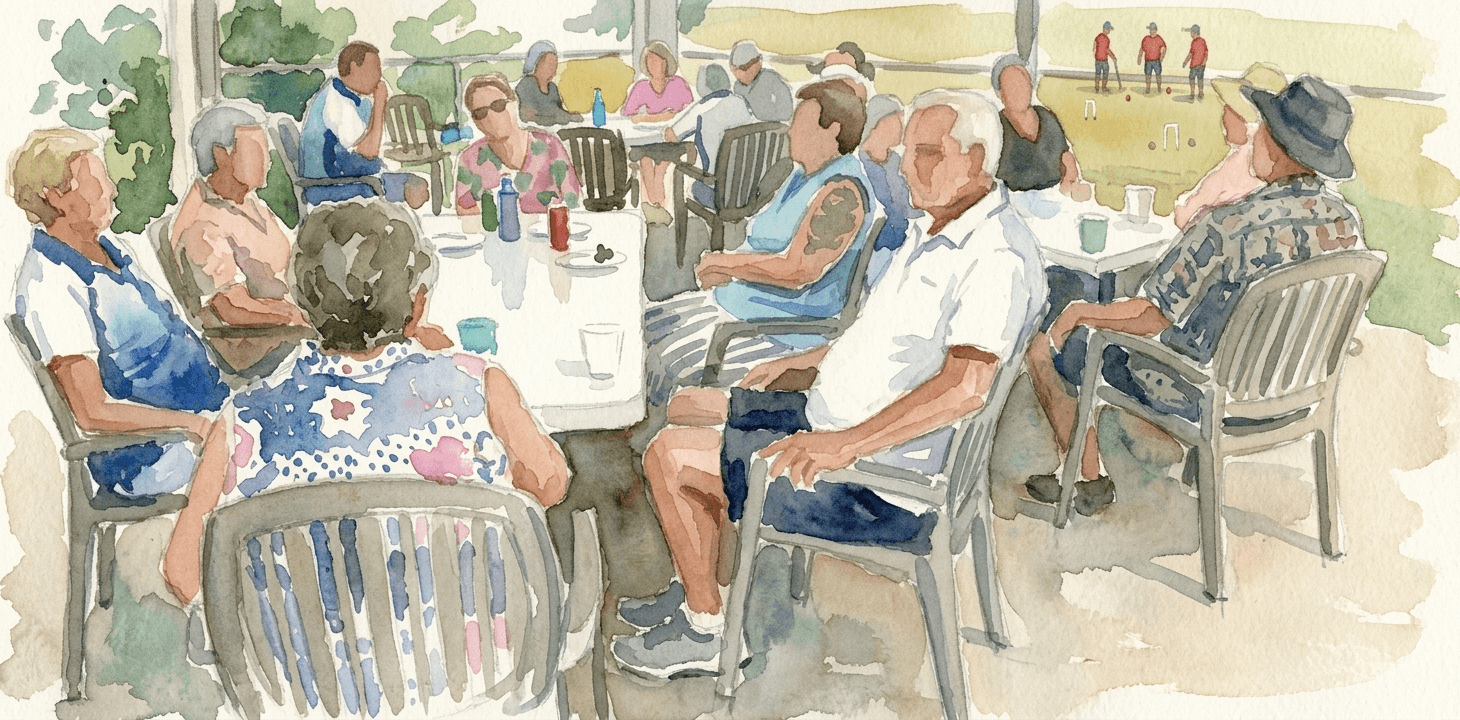
he World Health Organization published a new list of what protects an ageing brain.

- Physical activity. - Social contact. - Something to think about. - Time outdoors.
That is a fair description of a croquet club on a Saturday morning.
Up to 45% of the risk factors for developing dementia come from factors that can be changed.
Dementia has risen 39% in the past decade is now Australia's leading cause of death, having overtaken heart disease.
Croquet helps with protecting a healthy brain in two main ways.
The first is social engagement. Loneliness is on the risk list alongside smoking and high blood pressure.
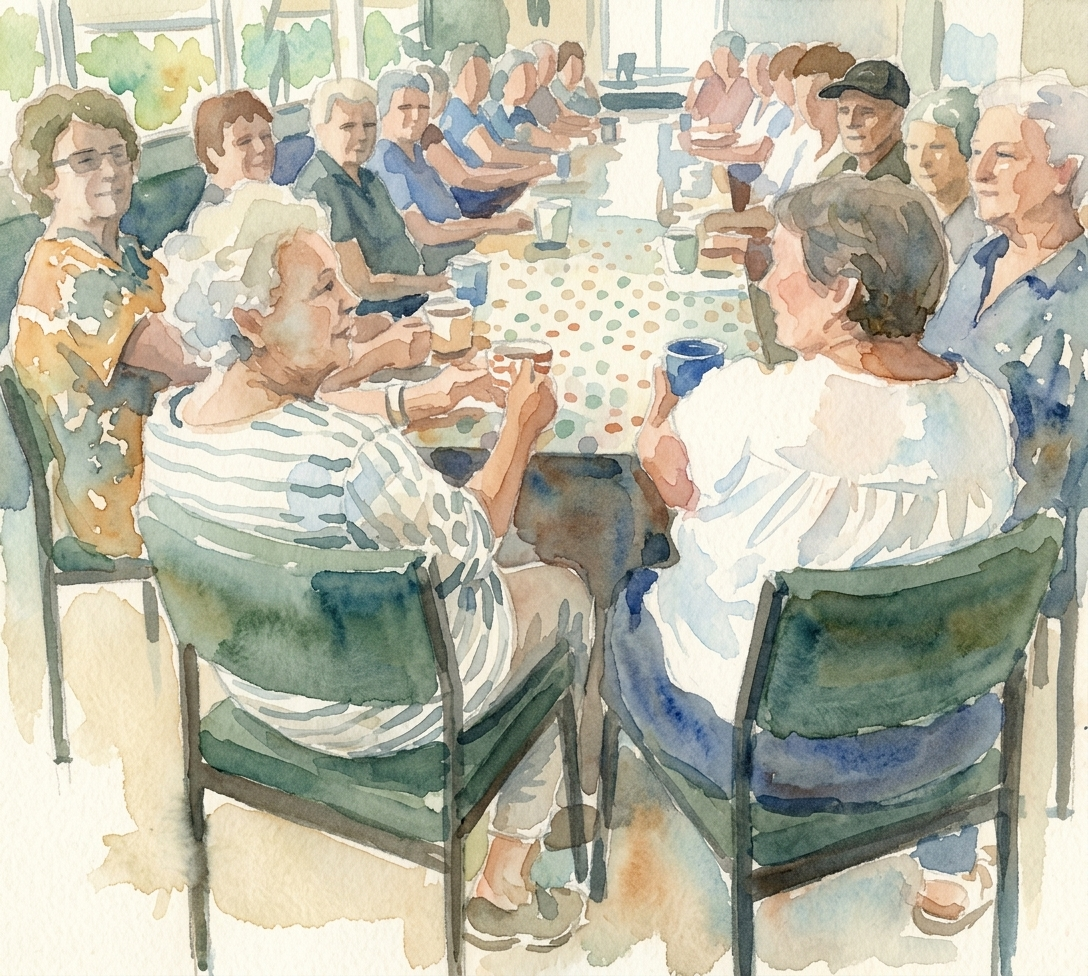
A long clubroom table after play, members talking together over a cup of tea. (A club morning doesn't end when the game does.)
The second is what counts as keeping the mind active. The old advice pointed at structured brain training on a computer. The new update adds cognitive stimulation, which is a good deal broader.
Professor Kaarin Anstey of the UNSW Ageing Futures Institute, who sat on the WHO's guideline development group, listed it as reading books, participating in games, undertaking a course, learning a new language, playing an instrument.
"Not everybody wants to sit at a computer and do brain training."
The World Health Organisation guidelines back multi-domain interventions, meaning programmes that go after three or more risk factors at once.
Anstey again: "It's no longer just about one or two things. It's a lot of things."
Creating a programme that does four things at once, and that people keep attending for years, is a difficult and expensive problem for public health.
The science is largely settled that people need more mental stimulation through conversation and games. Getting the increasingly ageing population to participate is proving harder for government.
Now look at a club morning at croquet. The games cover a kilometre or two of walking. It is played with other people, and they talk. It is tactical, so you think several turns ahead. It happens outdoors.
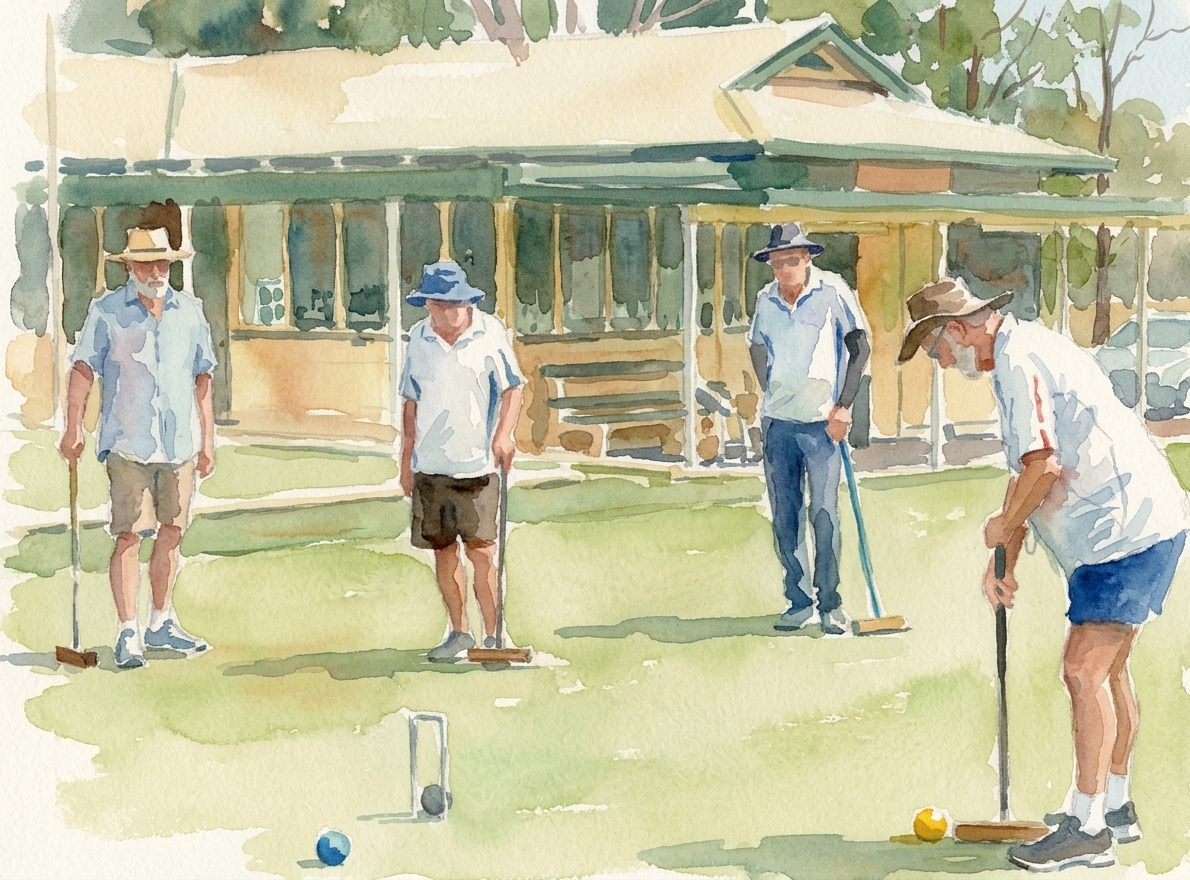
Four players mid-game on the lawn, one lining up a shot while the others watch. (A kilometre or two of walking, most mornings.)
Four things on the list, in one morning, happy game, happy brain.
The best thing about croquet is people keep coming back. Health programmes run for eight weeks, or twelve, and then the funding ends.
Our club members stay years. They stay for the company and the game, it being good for them is a bonus. That is why croquet works as a public health asset.
The WHO is direct about where responsibility sits. Individual effort will not shift how common dementia is. The World Health Organisation asks governments to build risk reduction into primary health care and into community health programmes. Queensland Croquet Clubs already run these programs.
The Queensland Government does not have to invent new methods of mental stimulation. Queensland Croquet Clubs are already there, in our suburbs. They are providing community health infrastructure.
Cake as a healthfood.
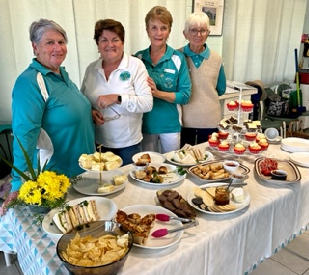
Cake and afternoon tea laid out by Bribie Island Croquet Club members for a Big Morning Tea fundraiser. (Bribie Island Croquet Club's Big Morning Tea, raising funds for the Cancer Council.)

Get HOOPLA! in your inbox
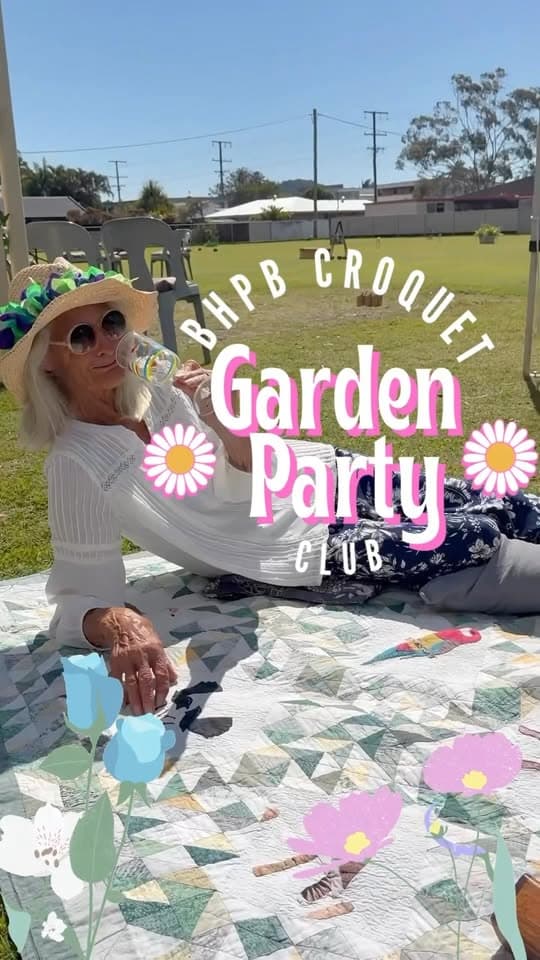
Burleigh Heads Palm Beach celebrates spring with garden party
Burleigh Heads Palm Beach members enjoyed a fabulous start to spring with a celebratory garden party.
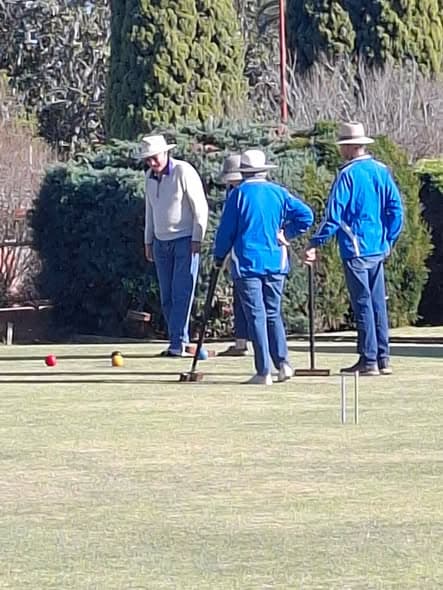
Skill sharing and social play at Toowoomba Croquet Club
Members at Toowoomba Croquet Club enjoyed a game today, with Alyson sharing her skills in jumping the ball with new play…