Vitamin D from sun during your croquet game is linked to fewer signs of Alzheimer's
New University of Galway research links higher vitamin D in mid-life to lower Alzheimer's biomarkers sixteen years later. For croquet players who spend afternoons in the Queensland sun, it is worth knowing about.

eople with higher vitamin D levels in middle age had less of a brain protein linked to Alzheimer's disease about 16 years later, a new study has found.

The research was led by the University of Galway, working with Boston University, the Framingham Heart Study and the University of Texas San Antonio. It was published on 2 April 2026 in Neurology Open Access, a journal of the American Academy of Neurology, and the university described it in a press release.

The study included nearly 800 people with an average age of 39. None of them had dementia. Each gave a blood sample so researchers could measure their vitamin D. At that point, 34% had low levels and 5% were taking vitamin D supplements.
An average of 16 years later, the same people had brain scans. These looked for two proteins, tau and amyloid beta, which are both signs of Alzheimer's disease. Those who had higher vitamin D in mid-life tended to have less tau.

Senior author Professor Emer McGrath said, "This study demonstrates an association between higher vitamin D in mid-life and a lower burden of abnormal tau protein in the brain, a marker of Alzheimer's disease." She added, "Low vitamin D in mid-life may be an important target to reduce the risk of early signs of preclinical dementia in the brain."
Lead author Dr Martin Mulligan said, "Mid-life is a time where risk factor modification can have a greater impact."
The researchers are careful. The study shows a link, not cause and effect, and vitamin D was measured only once. Professor McGrath said, "Further studies, for example a clinical trial, will be required to determine if vitamin D supplements could prevent dementia."
For croquet players who spend long afternoons outdoors, Cancer Council Australia says most people get enough vitamin D from a few minutes outdoors on most days when the UV Index is 3 or above. It recommends sun protection when the UV Index is 3 or above or when spending extended time outdoors, and says sensible sun protection does not put people at risk of vitamin D deficiency.

Get HOOPLA! in your inbox
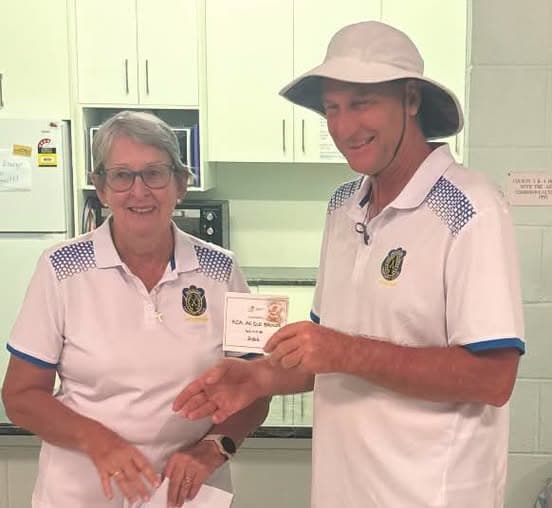
Greg Bury wins 2026 QLD AC Bronze Medal
Congratulations to Greg Bury, winner of the 2026 QLD AC Bronze Medal.
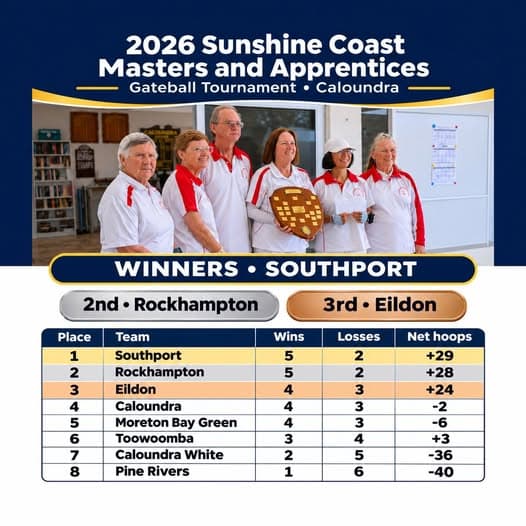
Congratulations to Sunshine Coast Masters and Apprentices winners
Congratulations to the winners of the 2026 Sunshine Coast Masters and Apprentices Gateball Tournament, played at Calound…