When Tennis Gets Too Hard on the Body: Croquet as a Sport After a Tennis Injury
Croquet keeps the hand-eye and the competition that made tennis worth it, without the running, the impact, or the next-morning ache.
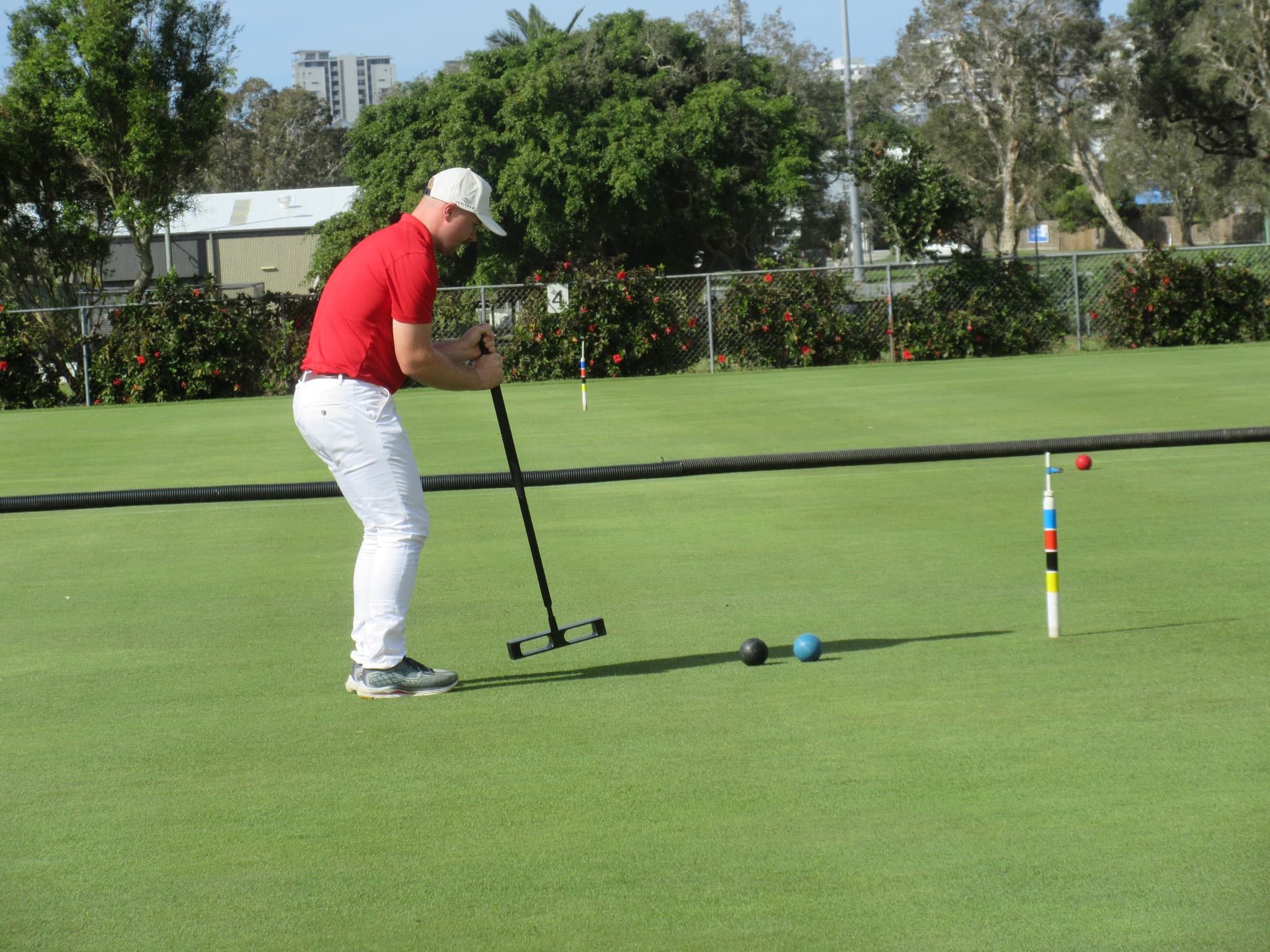
f you are looking for a sport after a tennis injury, you already know the hard part is not the wanting. You would play tomorrow if your knee or your shoulder would let you.

Croquet is the game that lets you keep playing. It holds onto the things you loved about tennis. The competition, the hand-eye, the reading of an opponent.
Tennis is a wonderful sport to give your life to, and plenty of people do. The rallies. The timing. The angle you find when the other player is out of position. It rewards a good eye and quick hands, and it pays you back for decades.
But it asks a lot of the body. One day the body stops co-operating. The running wears down the knees. The serve grinds away at a shoulder until the shoulder has had enough. For a lot of players it ends with one bad knee or one torn rotator cuff. That is the last set they ever play.
It does not have to be the last game.
Croquet keeps the parts of tennis you came for and drops the running. There is no sprint to the net. There is no lunge that lands wrong on a hard court. You walk the lawn at your own pace, line up your shot, and play it. The surface is grass.
An afternoon still gets you outside and moving for a couple of hours. But your knees and your shoulder will not be sending you the bill the next morning.
What stays is the eye. The hand-eye you spent forty years sharpening on a tennis court reads straight across to a croquet lawn, where the whole game is angle, weight and where the ball finishes.
So does the appetite for a contest. People call Association Croquet "chess on grass", because every shot you take sets up the next three, and a canny player can string together a break that leaves the opposition standing flat-footed on the lawn.
Golf Croquet is the quicker version most newcomers start with, simpler to pick up and every bit as tactical. It is a duel of position, where the right gentle tap beats the big hit.
The competition you will miss from tennis is right here. It is just played at walking pace.
The social side will feel familiar. Croquet is a club sport. You turn up, you are paired with people, you play, and you stay for a cuppa afterwards. Clubs are small enough that you are a name by your second visit. It is a mixed game, with men and women on the same lawn, and nobody benches you on account of your age.
Starting is easier than you would think. You do not need to buy a thing, because the club hands you a mallet and balls. You do not need special footwear for a first hit either.
Most Queensland clubs run Come and Try sessions where someone walks you through it for an hour. The cost to join is low against any other sport. Clubs sit across Brisbane, the Gold Coast, the Sunshine Coast, Toowoomba and a good many regional towns, so the odds are one is near you.
If tennis gave you a love of the contest and your body is now asking for something gentler, croquet is the second act that keeps you in the game.
Find your nearest club and book a free Come and Try session at comeandtrycroquet.com, or browse Queensland clubs at clubhub.croquetqld.org. Bring nothing but a pair of flat shoes.

Get HOOPLA! in your inbox
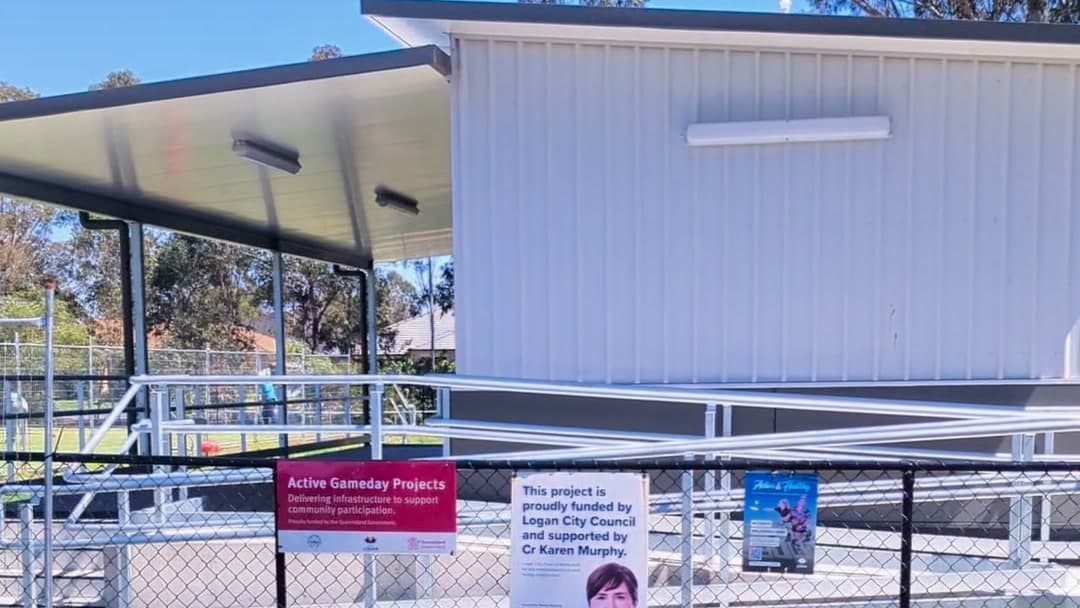
Have a gander at Twin Rivers' New Clubhouse
Ten years with no ground of its own, then courts and a shed. Now Twin Rivers has a clubhouse. Take a walk round with Wad…

Eildon volunteers raise over $2,000 at sausage sizzle
Eildon croquet club volunteers successfully ran a sausage sizzle at Bunning Rothwell, raising $2,162.67 for the club.