Croquet offers bowlers a game with more strategy
Bowls is the great social game. Croquet is the one for players who want the afternoon outdoors and a stiffer test for the mind.
any people lately retired look for an outdoor pastime, and bowls is what springs to mind first. Bowls clubs sit in almost every suburb. Australia's bowls clubs numbered about 2,000 when the BBC counted them in 2014. Bowlers are friendly. The game is easy-going and sociable. Beginning is simple.

Barefoot Bowls is a casual kind of bowls, played with no shoes and loose dress rules. Younger players and groups have been drawn in by it. Friday evenings at Barefoot Bowls are shared by families and workmates.
Bowls lacks nothing. Croquet is a game that few people think of trying.
Croquet and bowls are both low-impact games played outdoors on grass, as slow or quick as the player likes, and both are social games built around clubs.
In bowls, the bowl is heavier on one side. That weighting is called the bias, and it makes the bowl's path bend. The aim is to finish near a small white ball, the jack.
In croquet, each shot prepares the shot after it. Where a ball stops counts as much as where it was aimed. A player plans two or three turns ahead.
Some bowlers want a game that asks more of the mind, and croquet gives that. Position and planning hold players for years.
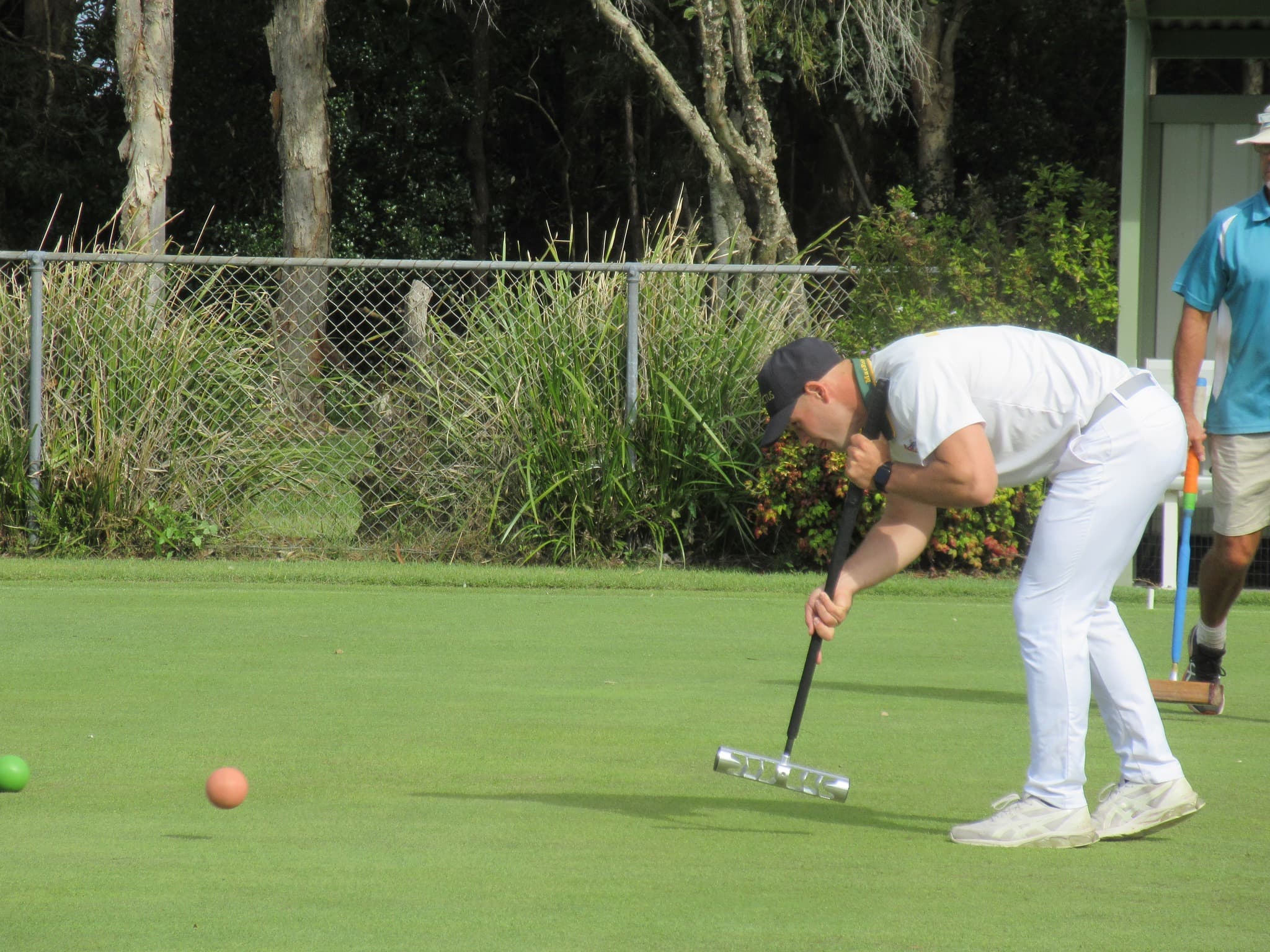
Association Croquet is deep and full of strategy. People call it "chess on grass". In a croquet stroke, two balls sit touching and both move when the player hits. In one turn, a skilled player can score hoop after hoop, and that run is a break.
Golf Croquet is the form most newcomers begin with. Each shot hits one ball only. Position is what counts.
Some players stick to one form; others play both.
Both games score 3.3 METs, a figure from the Compendium of Physical Activities. METs are a measure of effort set against resting in a chair. Neither game has running or jumping.
The croquet player makes a small bend to set down or lift a ball. The swing brings a slight bend at hip and knee. The bowler takes a crouch or a lunge for each bowl.
The croquet player walks after the ball on each turn. Once each end is played, bowlers cross the whole rink.
METs measure effort, not the load on the knees. No study has compared the two games for strain on the knees, so which is kinder to knees is unknown.
Golf Croquet has less bending than Association Croquet. It has no croquet stroke. The HOOPLA! page Is croquet good for bad knees? covers what health guidance says, the bending in each form and ways to go easier on sore knees.
Croquet clubs are usually smaller than bowls clubs. Members know a newcomer's name after one or two visits.
Some new retirees see bowls as their parents' game, and that can put them off. Croquet has less of that image, so it can feel new.
Clubs lend mallets and balls to new players. Starting costs nothing. Joining fees are low beside most other sports.
Through Come & Try, newcomers can sign up for the free 3-week beginner course. No past experience is expected.
A postcode typed in at comeandtrycroquet.com brings up session times at the nearest club. The visitor picks a time. Only then does the page ask for a name, an email address and a mobile number. The visitor then signs up. Where no times are published yet, the visitor leaves their details and the local club gets in touch.
Queensland has 41 clubs, in Central Queensland, the Gold Coast, Wide Bay, Brisbane, the Darling Downs around Toowoomba and the Sunshine Coast. Croquet sits alongside bowls rather than taking its place. Flat-soled shoes are the one thing a newcomer brings.

Get HOOPLA! in your inbox
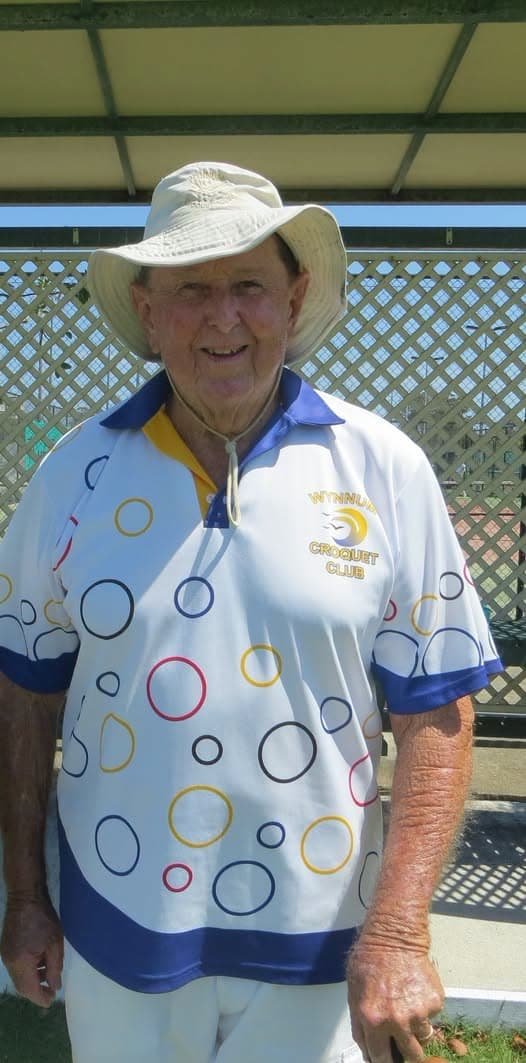
Geoff Hull farewells Wynnum Croquet Club after 13 years
Geoff Hull, 86, has resigned from Wynnum Croquet Club after 13 years. He thanks his clubmates and hopes to stop by for a…
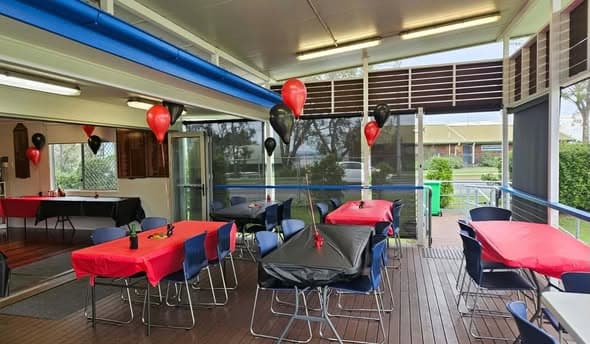
Eildon clubhouse available for hire
Eildon Croquet Club regularly hires out its clubhouse for parties, gatherings and even weddings. Bookings can be made wi…