A World Champion Explains Why Croquet Takes Years to Master
World champion Reg Bamford explains why croquet's old-fashioned reputation is hopelessly out of date. Discover why the sport is faster, younger, and more appealing than ever before.
ome people retire and find a hobby. Others need something harder. Something that rewards the same persistence and strategic thinking their careers demanded.

Croquet is that for a lot of people. And no one explains why better than someone who’s been mastering it for decades.
Reg Bamford has won seven world croquet championships. He’s 57, still competing, still improving. When he talks about why people get hooked on croquet, he starts with the same observation.
“It’s a very simple game. A game that you can pick up in five minutes.”
Five minutes to learn. But Bamford has been playing for decades and he’s still finding new layers.
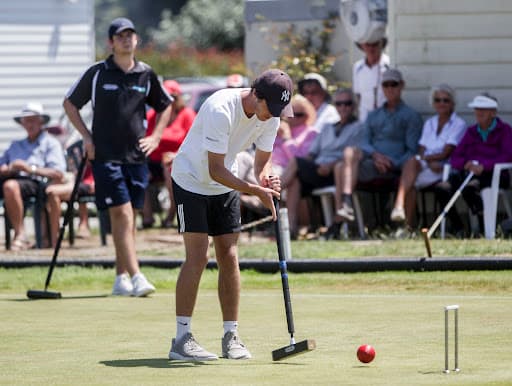
[image: Competitive croquet in action -- https://imagedelivery.net/IEMzXmjRvW0g933AN5ejrA/assetsbulletsitefiles-22c5a74c-8df0-8005-8970-eb5ca1031b94-attachment18abad0e-a218-4ca9-8b2b-05dfd72389dccompetitive_croquetjpg/public]
The game rewards thinking
Croquet isn’t physically punishing. You won’t be sore the next day. But it demands attention. Every shot opens possibilities and closes others. You’re thinking three moves ahead, adjusting when your opponent does something unexpected.
Bamford has watched the game change over 30 years. At the last British Open, eight or nine of the final 16 were under 30. The current world champion is 17. The young players aren’t winning on reflexes. They’re winning on strategy.
“It’s very different to what it was 20 or 30 years ago.”
Rule changes have made play faster. The tactical options have multiplied. For people who like working things out, that’s the appeal.
[image: Reg Bamford playing croquet -- https://imagedelivery.net/IEMzXmjRvW0g933AN5ejrA/assetsbulletsitefiles-22c5a74c-8df0-80c8-a61f-c7da588ba0db-attachmentbfec199f-8348-45be-b3fa-094d6ed027ddreg-bamford-1jpgoptimaljpg/public]
Something to work at
Bamford calls croquet “the best game on earth.” That’s a big claim from someone who’s tried most of them.
What he means: croquet gives you something to improve at for the rest of your life. You can enter your first tournament within months of picking up a mallet. You can still be getting better twenty years later.
If you want something to master, this might be it.
Find your nearest club at comeandtrycroquet.com →

Get HOOPLA! in your inbox

Bribie Island's doubles final goes all the way to the last hoop
Bribie Island Croquet Club's October news: a doubles final won at sheep station, Steve Bickley 8th at the GC Nationals, …
No need to sign in to play
Registered players don't need to sign in. Only visitors and overseas players must be recorded.