How to Talk About Croquet
Most club members didn't sign up to be recruiters. You joined because you enjoy the game, not because you wanted to stand at a shopping centre with a clipboard.

ost club members didn't sign up to be recruiters. They joined because they enjoy the game, not to stand at a shopping centre with a clipboard.

But clubs grow through conversation. One person tells another about something they love.
You don't need a sales pitch. You only need to notice when someone might enjoy croquet, and know enough about what the game offers to make the connection.
Forget about age. It tells you very little. What matters is what a person is looking for, and whether croquet can give it to them. Here are five common needs croquet meets.
### Mental Challenge
What they want: Something that makes them think. Some miss the problem-solving of their working life. Others grow bored with pastimes that never ask much of the brain.
What croquet provides: Every shot is a calculation of angles, positions, sequences and risk. The game rewards planning, which is why people often call it a bit like chess with fresh air.
You might hear: "I need something to keep my mind active." "I get bored easily." "I miss having something to figure out."
### Outdoor Time
What they want: A good reason to be outside. Many gave up a garden when they downsized. Others spent decades working indoors.
What croquet provides: Regular time on grass, in the fresh air. Clubs play on set days each week, so being outdoors becomes part of the routine.
You might hear: "I miss having a garden." "I want to get outside more." "We moved into a unit."
### Community
What they want: Regular contact with people who know their name. Social life can get harder after retirement, after losing a partner, or after a move.
What croquet provides: The same people, on the same days, in the same place. There is tea, there are club events, and there are people who notice when someone is missing.
You might hear: "I don't see people as much as I used to." "It's harder to meet people than I expected." "Most of my friends are still working."
### Gentle Competition
What they want: To compete again. They played sport once, but their body can't do what it used to. They want something that tests them without punishing them.
What croquet provides: Real competition. A handicap system gives every player a rating, so a beginner can play a fair game against someone who has played for years.
You might hear: "I used to play tennis but my knees gave out." "I miss having something to win at." "I want something competitive but not too physical."
### Something to Master
What they want: Depth. Something to get better at over time. Hobbies that top out quickly leave them bored.
What croquet provides: Years of skill to build, in layers. First come the basic strokes, then breaks, then tactics, then reading the lawn, then managing the clock. The basics take minutes to learn, and many people play for decades and are still learning.
You might hear: "I want something I can really get into." "I like things where you can always improve." "I need a hobby with some depth."
### The Simple Formula
Listen → Connect → Invite. Hear what they need. Show how croquet provides it. Invite them to see for themselves.
### When They're Interested
Don't oversell. Just say: "Why don't you come down and have a look? I'll introduce you."
Then point them to comeandtrycroquet.com. They enter their postcode to see session times at their nearest club. Come and Try is a free three-week beginner course. All equipment is provided, and no experience is needed.

Get HOOPLA! in your inbox
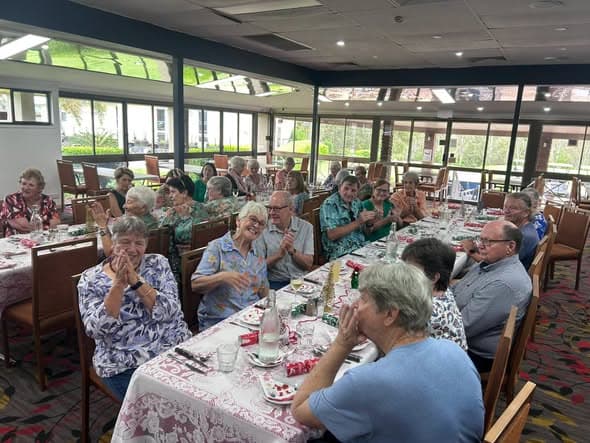
Ipswich celebrates end-of-year Christmas lunch and award winners
Ipswich Croquet Club wrapped up the year with a Christmas lunch full of laughter, food, trivia, awards and gifts. Congra…
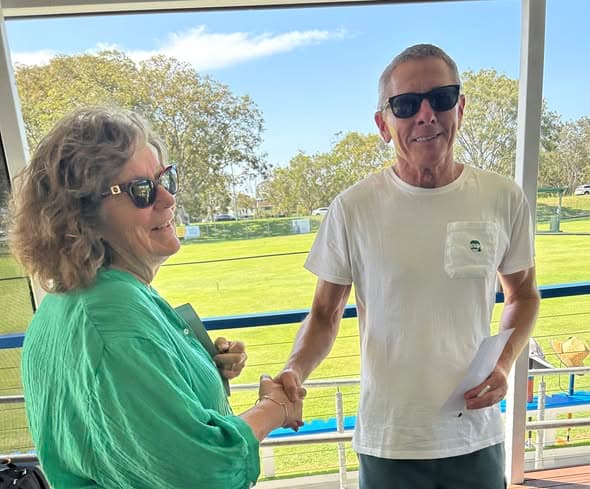
Eildon Invitational GC singles results
Eildon's Ben Smith/Ray White Invitational GC singles ran last weekend in great weather. Sally Atkins, Andrew Cole and Ma…