Holistic Health Benefits of croquet
A strategic advocacy paper prepared by the Croquet Association of Queensland
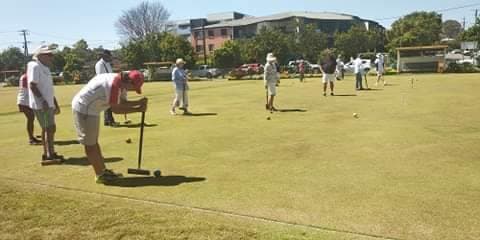
strategic advocacy paper prepared by the Croquet Association of Queensland

Executive Summary
The Challenge: Queensland's ageing population presents a growing challenge to public health budgets and social services, driven by the costs of chronic disease, falls-related injuries, and social isolation among seniors. Cost-effective, community-based solutions are essential.
The Solution: Croquet: This paper, prepared by the Croquet Association of Queensland (CAQ), presents the evidence for croquet as a uniquely holistic, accessible, and powerful activity to meet this challenge. It provides integrated physical, cognitive, and social benefits in a single, enjoyable format.
Key Findings:
- Physical Health: Croquet is a low-impact sport that directly improves balance, coordination, mobility, and strength, aligning perfectly with state and national physical activity guidelines for preventing falls and maintaining independence.
- Cognitive & Mental Health: As a game of strategy, croquet engages players in planning, tactical thinking, and problem-solving, which helps maintain cognitive function. It is also a proven mood enhancer and stress reducer.
- Social Well-being: The club-based environment fosters vital community connections, provides a sense of belonging, and is a powerful tool against the loneliness and social isolation that can be detrimental to seniors' health.
Recommendations for Partnership: The CAQ stands ready to partner with government. We propose a collaborative approach based on five key recommendations:
I. Introduction: Enhancing Senior Well-being in Australia through Active Engagement
A. The Imperative of Active Ageing in the Australian Context
Australia’s ageing population presents a direct challenge to state and local governments, placing increasing pressure on public health budgets and social support services. The costs associated with managing chronic disease, falls-related injuries, and the profound impacts of social isolation in seniors are significant and growing. In this context, proactive, cost-effective, and community-based interventions are not just beneficial, but essential. A strategic focus on promoting accessible and enjoyable activities that maintain health and independence is paramount to ensuring a sustainable and high-quality future for Queensland's seniors [1, 2].
B. Introducing Croquet: An Accessible and Multifaceted Activity for Seniors
Croquet presents itself as a particularly suitable activity for promoting active ageing. It is a low-intensity, low-impact sport, making it gentle on the joints and accessible to a broad spectrum of older adults, including those with pre-existing health conditions [3, 4, 5, 6]. Beyond its physical gentleness, croquet uniquely integrates physical movement with significant intellectual challenge and inherent social interaction [3, 4, 5, 7]. This multifaceted nature offers a holistic approach to well-being, simultaneously addressing the physical, cognitive, and social needs of seniors. This inherent integration makes croquet a highly efficient and appealing option for promoting overall well-being, forming the basis of a compelling argument for its broader promotion and support.
C. Purpose, Scope, and Methodological Approach
This article synthesises current evidence to construct a robust case for the promotion and support of croquet as a significant health-enhancing activity for seniors across Australia, with a particular focus on Queensland. It will delineate the diverse physical, cognitive, and social well-being benefits associated with croquet participation.
Given that high-level research focused specifically on croquet is less abundant than for more mainstream sports, this analysis employs a strategy of incorporating analogous evidence. The physical and social benefits of croquet are compared with those of other low-impact sports popular among seniors, such as lawn bowls, golf, and bocce, which share similar biomechanical movements and social settings. The cognitive benefits are compared with mentally stimulating activities like bridge and mahjong, which require comparable levels of strategic thinking, planning, and memory. This approach allows for a more comprehensive analysis by leveraging the larger evidence base of these comparable activities. While acknowledging the limitations of such comparisons—for instance, the specific nature of tactical thinking in croquet may differ from the memory and bidding conventions of bridge—this method provides a more robust and convincing foundation for understanding croquet's potential. This document, prepared by the Croquet Association of Queensland (CAQ), serves as a foundational resource to inform government policy and guide the collaborative efforts required to foster active and healthy ageing across the state.
II. The Holistic Health Benefits of Croquet for Australian Seniors
A. Physical Well-being: Movement, Balance, and Vitality
1. Direct Physical Benefits of Croquet
Participation in croquet involves a range of physical movements that contribute positively to senior health, including flexion of the hips and knees and gentle shoulder motion, all performed without significant twisting of the spine [3]. This low-impact profile makes it a viable option for individuals managing musculoskeletal or chronic conditions [3]. Crucially, croquet delivers these physical benefits not in isolation, but in tandem with significant cognitive and social engagement. The collaboration between Croquet Victoria and the Australian Physiotherapy Association (APA) has endorsed golf croquet as a means to encourage mobility and counter sedentary lifestyles in older populations [3]. The game actively promotes enhancements in coordination, contributes to the maintenance of limb strength, and aids in the development of both static and dynamic balance [3, 4, 8]. By being gentle on the joints, it allows for sustained participation without exacerbating conditions like arthritis [5, 6]. This accessibility can be instrumental in encouraging seniors, who might otherwise be hesitant to engage in more strenuous exercise, to adopt and maintain regular physical activity, thereby helping them meet recommended guidelines and reap long-term health benefits [2, 9].
2. Alignment with Australian Physical Activity Guidelines
The physical engagement offered by croquet aligns well with national and state-level public health recommendations. The Australian Government's Department of Health and Aged Care advises that individuals aged 65 and over should aim for at least 30 minutes of moderate-intensity physical activity on most days, incorporating a variety of activities that promote cardiovascular fitness, muscular strength, flexibility, and balance [9, 10]. Similarly, Queensland Health’s "Ageing with vitality" and "Stay on Your Feet" initiatives advocate for regular engagement in activities that enhance these same components to maintain health and prevent falls [11, 12, 13].
Croquet contributes to meeting these multifaceted guidelines in an integrated manner. Walking the lawn provides aerobic fitness; the controlled swing of the mallet engages upper body and core strength; bending to place balls promotes flexibility; and maintaining posture while sighting shots improves balance. This multi-component contribution means a single session of croquet can address several guideline categories simultaneously, offering an efficient way for seniors to work towards their physical activity goals. For instance, the NSW Government's 'Active and Healthy' platform explicitly lists croquet as an activity, alongside Tai Chi and lawn bowls, that can help build confidence and prevent falls [14].
Table 1: Alignment of Croquet's Physical Benefits with Australian Physical Activity Guidelines for Older Australians (65+ years)
| Guideline Component | Australian Government Recommendation (Summarised from [9, 10]) | How Croquet Addresses It (with supporting evidence) | | --- | --- | --- | | Endurance/Aerobic Fitness | Accumulate at least 30 minutes of moderate intensity activity on most days. | Walking the croquet court provides sustained, low-to-moderate intensity aerobic activity. [3, 4, 6] | | Strength | Participate in muscle strengthening activities on at least 2 days each week. | Swinging the mallet engages muscles in the arms, shoulders, and core; repeated light lifting and carrying of equipment contributes. [3, 6] | | Flexibility | Include activities that promote flexibility. | Bending to place and retrieve balls, and reaching for shots, encourages flexibility in the back, hips, and limbs. [3, 6, 8] | | Balance | Incorporate activities to improve balance and prevent falls. | Maintaining stability during shots, walking on uneven grass surfaces, and navigating around hoops and other balls enhances static and dynamic balance. [3, 4, 8] | | Coordination | Activities that enhance coordination. | Aiming and striking the ball with precision, judging distances and angles, all improve hand-eye coordination and fine motor skills. [3, 4, 8] |
3. Benefits from Comparable Low-Impact Sports (Analogous Evidence)
Evidence from comparable low-impact sports popular among older adults provides strong analogous support for croquet's physical benefits.
- Lawn Bowls: Recognised by government health bodies like Better Health Victoria for improving fitness and coordination while being low-impact [15, 16]. It involves considerable walking and requires good balance, with safety guidelines from Sports Medicine Australia recommending balance training to prevent falls [17].
- Seniors' Golf: An international study backed by The R&A and promoted by the PGA of Australia found that golf can improve muscle strength, balance, power, endurance, and flexibility in older adults [18, 19]. The physical demands are comparable to gym-based workouts [18].
- Bocce: Bocce Australia highlights that the sport offers gentle, low-impact exercise that enhances coordination, flexibility, and balance, thereby contributing to a reduced risk of falls in seniors [20, 21].
The physical actions in croquet—walking, bending, controlled swinging motions—share significant biomechanical and physiological commonalities with these sports. Therefore, the well-documented benefits in balance, strength, and coordination derived from these analogous activities can be reasonably inferred for croquet, strengthening the case for its physical advantages.
B. Cognitive Function and Mental Acuity: The Strategic Dimensions of Croquet
1. Croquet's Inherent Mental Stimulation
Croquet is an intellectually demanding game that offers significant mental stimulation, often likened to "chess on grass" for its requirements of strategic thinking and planning [5, 6]. Players must consistently engage in problem-solving, focus their concentration, and sequence their shots effectively [3, 6, 7]. This continuous mental exertion, involving "forward thinking and strategy," keeps the mind actively engaged [7]. Engagement in such mentally stimulating activities has been shown to build cognitive reserve and buffer against age-related decline [22, 23]. Unlike solitary puzzles, croquet provides this cognitive workout within a dynamic, social, and physically active setting, enhancing adherence and enjoyment.
2. Psychological Well-being
Beyond cognitive engagement, croquet participation yields substantial psychological benefits. The game has been reported to help relieve symptoms of depression and anxiety, uplift mood, and enhance self-esteem [3, 5, 6, 24]. Playing outdoors in pleasant green settings contributes to these effects, as spending time in nature is linked to reductions in tension and depression [6]. The process of learning new skills and achieving personal goals on the croquet lawn directly contributes to improved self-esteem and confidence [3, 5]. This powerful combination of physical movement, social connection, and cognitive engagement creates a potent mood-enhancing and stress-reducing experience.

3. Parallels with Other Mentally Engaging Activities (Analogous Evidence)
The cognitive demands of croquet show strong parallels with other activities recognised for their cognitive benefits in seniors.
- Mahjong: This tile-based game demands memory, strategy, and concentration. Research has linked regular mahjong play to improved cognitive abilities and better scores on the Mini-Mental State Examination (MMSE) [22, 23]. The frequency of play is a key factor in maintaining these benefits [22].
- Bridge: The Australian Bridge Federation highlights that bridge engages working memory, sequencing, and planning skills [25, 26]. Research has associated participation in such mentally challenging games with greater brain volume in regions susceptible to Alzheimer's disease [25].
- Tactical Thinking in Sports: Broader research into sports psychology indicates that sports emphasising cooperative tactics and strategic decision-making can have significant positive effects on executive functions—the higher-order cognitive processes essential for planning and organising [27].
Given that activities like mahjong and bridge are recognised for supporting these executive functions, and that croquet requires a similar suite of cognitive skills, it is reasonable to infer that croquet provides comparable benefits.
C. Social Well-being: Fostering Connection and Community
1. Croquet as a Vehicle for Social Interaction
Croquet is an inherently social activity that provides rich opportunities for older adults to connect with others, form friendships, and build support networks [3, 4, 5, 7, 24]. Participation has been shown to effectively relieve loneliness and increase interaction, which is crucial for mental and emotional health [24]. Croquet clubs often foster an inclusive environment where men and women participate together on equal terms [3]. The experience of residents at the Renaissance Victoria Point retirement community in Queensland, who found croquet a welcoming way to meet new people, vividly illustrates these positive social dynamics [28]. For many seniors, croquet clubs can function as vital "third places" that are essential for community building and fostering a sense of belonging [29].
2. Broader Benefits of Social Participation and Club Membership
The social advantages of croquet are amplified by the well-documented benefits of social engagement for seniors. National Seniors Australia notes that being part of a social group provides a sense of purpose and is a powerful protective factor against mental health issues like depression and anxiety [30]. Social groups cultivate a sense of belonging and identity, which can lead to improved self-esteem and overall quality of life [29, 30].
Governments recognise the critical importance of social inclusion. Initiatives like the NSW Government's Connecting Seniors Grant Program, which has funded activities including croquet lessons, explicitly aim to address social isolation [31, 32]. This governmental acknowledgement underscores the societal value placed on activities that promote social connection.
Health & Well-being Benefits Comparison Matrix
The following matrix provides a visual comparison of the health and well-being attributes of croquet against those of analogous sports and activities. The evidence shows that while each activity offers distinct benefits, croquet is unique in its capacity to deliver a comprehensive range of positive outcomes across the physical, cognitive, and social domains simultaneously.
| Benefit Attribute | Croquet | Lawn Bowls | Seniors' Golf | Bocce | Mahjong | Bridge | | --- | --- | --- | --- | --- | --- | --- | | PHYSICAL DOMAIN | | | | | | | | Extremely Low-Impact & Adaptable | ✅ | ✅ | ➖ | ✅ | ❌ | ❌ | | Improves Balance & Posture | ✅ | ✅ | ✅ | ✅ | ❌ | ❌ | | Refines Fine Motor Control | ✅ | ✅ | ➖ | ✅ | ✅ | ❌ | | Offers Sustained Cardiovascular Exercise | ➖ | ➖ | ✅ | ➖ | ❌ | ❌ | | Develops Rotational Power & Strength | ❌ | ❌ | ✅ | ❌ | ❌ | ❌ | | COGNITIVE & MENTAL DOMAIN | | | | | | | | Requires High-Level Strategic Planning | ✅ | ✅ | ✅ | ➖ | ✅ | ✅ | | Involves Direct Interactive/Obstructive Tactics | ✅ | ✅ | ❌ | ✅ | ➖ | ➖ | | Engages Short-Term Memory & Sequencing | ✅ | ➖ | ➖ | ➖ | ✅ | ✅ | | Can Be Played with a Casual/Social Focus | ✅ | ✅ | ✅ | ✅ | ✅ | ➖ | | SOCIAL DOMAIN | | | | | | | | Inherent Team or Doubles Format | ✅ | ✅ | ➖ | ✅ | ➖ | ✅ | | Fosters Socialising During Play | ✅ | ✅ | ➖ | ✅ | ✅ | ✅ | | Inclusive & Accessible Across Genders | ✅ | ✅ | ✅ | ✅ | ✅ | ✅ |
Key:
- ✅ = A primary and well-documented benefit of the activity.
- ➖ = A secondary or less pronounced benefit of the activity.
- ❌ = Not a typical benefit of the activity.
III. Croquet in the Australian Context: An Integrated Queensland Case Study
A. Overview of Croquet's Presence in Queensland
Croquet has an established presence across Australia, supported by national and state bodies like Croquet Australia and the Croquet Association of Queensland (CAQ) [33, 34, 35]. This existing club infrastructure provides a vital, yet often underutilised, community asset. In Queensland, forward-thinking local government authorities have already begun to recognise this potential. Logan City Council features croquet in its popular Active & Healthy program [36], and media reports highlight croquet as a recommended activity within the City of Gold Coast's own extensive Active & Healthy initiatives [37]. These examples demonstrate a clear, replicable model for how croquet clubs can partner at a grassroots level to deliver community health outcomes. Furthermore, the sport's presence in retirement communities across the state underscores its suitability and appeal for the senior demographic [28].
B. Participation Trends and a Strategic Opportunity
While specific participation data for croquet among Queensland seniors is not readily available from national surveys like AusPlay, the absence of this granular data itself highlights a strategic issue. Without such data, it is difficult for government and community organisations to accurately assess demand, target investment, and measure the impact of participation programs for niche sports. Reframing this "data gap" as an opportunity for targeted research—as outlined in Recommendation 4—is a critical first step.
Broader data, however, indicates a clear strategic opportunity. Queensland Health reports show a "participation gap," particularly for older women, who are more likely to be insufficiently active than men [38]. Croquet, with its strong appeal to women (69% of members in Victoria are female [39]), its low-impact nature, and its social focus, is perfectly positioned to address the very barriers that often prevent older women from participating in sport.
C. Alignment with Queensland Government's Active Ageing Strategies
The promotion of croquet aligns seamlessly with Queensland Government strategies. Queensland Health's "Ageing with vitality" and "Stay on Your Feet" programs emphasise the importance of activities that enhance strength, balance, and flexibility to maintain independence and prevent falls [11, 12, 13, 40]—all outcomes associated with croquet.
Furthermore, the government's overarching "An Age-friendly Queensland: The Queensland Seniors Strategy 2024-2029" and associated grant programs seek to build partnerships to create more inclusive and supportive communities for older people [41]. Croquet directly supports several of the World Health Organization's domains of an age-friendly community, including social participation, respect and social inclusion, and outdoor spaces and recreation. This strong alignment, coupled with the sport's potential to be played year-round with appropriate infrastructure like shade and lighting, makes croquet initiatives prime candidates for support under Queensland's Age-friendly strategy, as they help local councils and the state government achieve their strategic commitments.
D. Addressing Potential Barriers to Participation
To expand participation, potential barriers must be addressed. A key challenge is the perception of croquet as an ‘old person’s sport’, which can deter younger seniors and other age groups [39, 42]. The cost of membership and access to clubs, including transport, can also be obstacles for some seniors. Strategies to mitigate these barriers are crucial for growth. These could include club-led "Come and Try" days to demystify the sport, targeted marketing that showcases a more modern and diverse image of croquet, and partnerships with local councils to improve transport links or offer subsidised introductory programs. By proactively addressing these issues, the sport can broaden its appeal and accessibility.
IV. A Call to Action: A Proposal for Partnership
A. Synthesising the Evidence: The Compelling Case for Croquet
The evidence indicates that croquet is a multifaceted activity particularly suited to enhancing the holistic well-being of Australian seniors. Its low-impact nature makes it physically accessible, improving balance, coordination, and strength in line with public health guidelines [3, 4, 9, 14]. Cognitively, it provides significant mental stimulation through its strategic demands [5, 6, 7]. Socially, its club-based environment fosters vital connections and combats loneliness [3, 8, 24, 28]. These comprehensive benefits, combined with an existing community infrastructure, provide a strong foundation upon which targeted government support can build.
B. Specific, Actionable Recommendations for a Government-CAQ Partnership
To harness the potential of croquet for enhancing senior health, the following actionable recommendations are proposed as a basis for a collaborative partnership between state and local governments and the Croquet Association of Queensland:
- Recommendation: Establish or promote dedicated grant programs for croquet club development, facility upgrades, and equipment. This includes improvements such as ensuring accessible amenities, providing adequate shade for sun safety, and installing lighting for extended and evening play. Crucially, this support should be strategically directed towards both upgrading existing facilities and developing new ones in identified seniors' growth corridors, particularly in warmer climates like Queensland where evening play under lights is essential for maximising safe participation during hotter months. - Rationale: This directly addresses the challenge of ageing infrastructure identified in club surveys [42] and ensures facilities are safe, accessible, and climate-appropriate for older participants. Precedents for such support exist in local and state grant programs [43, 44, 45].
- Recommendation: Partner with and provide funding to CAQ to lead the development, implementation, and statewide promotion of introductory croquet programs for seniors, such as "Come and Try" days and beginner coaching. - Rationale: This addresses the barrier of perception and lack of familiarity with the sport [39, 42]. CAQ is the expert delivery partner, and successful local government initiatives like those in Logan and the Gold Coast [36, 37] provide a model that can be scaled statewide with CAQ's coordination.
- Recommendation: Actively feature croquet in public health campaigns promoting active and healthy ageing, alongside other recognised activities. - Rationale: This leverages croquet's strong alignment with the goals of campaigns like Queensland's "Stay on Your Feet" [12, 13, 40] and the Australian Government's "Choose health, be active" [1, 9], raising its profile and legitimacy as a health-enhancing activity.
- Recommendation: Support CAQ in securing academic partnerships and funding to undertake Queensland-focused research to specifically quantify the health and well-being outcomes of croquet participation among seniors. - Rationale: This addresses the knowledge gap identified in Section III.B regarding the lack of granular data, which currently hampers evidence-based policy. Robust local data, driven by CAQ, would be invaluable for advocacy and program refinement.

- Recommendation: Work with CAQ to facilitate and co-fund partnerships between its member clubs, Local Government Authorities, seniors' organisations, and health providers. - Rationale: This creates crucial referral pathways and integrates croquet into broader community wellness programs. The APA/Croquet Victoria collaboration [3] and Queensland's Age-friendly Community Development Grants program [41], which emphasises such partnerships, provide excellent models where CAQ can act as the central network hub.
V. Conclusion
Croquet emerges from this analysis as a valuable, accessible, and enjoyable tool for significantly enhancing the physical, cognitive, and social well-being of Australian seniors. Its multifaceted benefits align powerfully with state and local government health priorities for an ageing population. Investing in the promotion and support of croquet is an investment in the proactive health management of Australia's seniors. It represents an opportunity to achieve significant returns in terms of improved public health outcomes, reduced healthcare costs, and the cultivation of more vibrant, engaged, and age-friendly communities. A concerted commitment from government, through the actionable recommendations outlined, can unlock the full potential of croquet and help ensure a healthier, more active, and more socially connected future for Australia’s senior population.
The Croquet Association of Queensland stands ready to partner with all levels of government and community stakeholders to turn these evidence-based recommendations into a reality for seniors across the state.
VI. References
[1] Australian Government Department of Health and Aged Care. (n.d.). Positive ageing is ageing well. Retrieved from https://www.health.gov.au/topics/positive-ageing-is-ageing-well
[2] Outdoors Victoria. (2015). How to Engage Older People in Sport and Physical Activity. Retrieved from https://www.outdoorsvictoria.org.au/wp-content/uploads/2023/02/20150617-COTA-Vic-How-to-Engage-Older-People-in-Sport-and-Physical-Activity-Resource-Guide-July-2015.pdf
[3] Australian Physiotherapy Association. (2021). A hit for health. InMotion. Retrieved from https://australian.physio/inmotion/hit-health
[4] Hopewood Lifestyle. (2024). The fun and benefits of low-impact sports for seniors in the Australian winter. Retrieved from https://hopewoodlifestyle.com.au/2024/06/the-fun-and-benefits-of-low-impact-sports-for-seniors-in-the-australian-winter/
[5] Sydney Croquet Club. (n.d.). Health Benefits of Croquet. Retrieved from https://www.sydneycroquetclub.com.au/about-croquet/
[6] Peachtree Hills Place. (n.d.). 7 Incredible Health Benefits of Croquet for Senior Adults. Retrieved from https://www.peachtreehillsplace.com/7-incredible-health-benefits-of-croquet-for-senior-adults/
[7] U3A Benalla. (n.d.). Come & Learn Croquet. Retrieved from https://u3abenalla.weebly.com/come-and-learn-croquet.html
[8] Keeping Busy. (n.d.). The Benefits of Playing Games for Seniors. Retrieved from https://keepingbusy.com/blogs/dementia/games-to-prevent-dementia
[9] Australian Government Department of Health and Aged Care. (2021). Physical activity and exercise guidelines for all Australians: For older Australians (65 years and over).1 Retrieved from https://www.health.gov.au/topics/physical-activity-and-exercise/physical-activity-and-exercise-guidelines-for-all-australians/for-older-australians-65-years-and-over23
[10] Exercise Right. (n.d.). Better Ageing. Retrieved from https://exerciseright.com.au/betterageing/
[11] Queensland Health. (n.d.). Ageing with vitality: Your everyday guide to healthy active living. Retrieved from https://www.health.qld.gov.au/__data/assets/pdf_file/0026/844181/ageing-vitality-guide.pdf
[12] Queensland Health. (2022). Healthy active ageing: How to get active. Retrieved from https://www.health.qld.gov.au/stayonyourfeet/for-seniors/keep-active
[13] Queensland Health. (n.d.). Queensland Stay on Your Feet. Retrieved from https://www.qld.gov.au/health/staying-healthy/community/programs/stay-on-your-feet
[14] NSW Government. (n.d.). Preventing falls for older adults. Active and Healthy. Retrieved from https://www.activeandhealthy.nsw.gov.au/preventing-falls/preventing-falls-for-older-adults/
[15] Better Health Channel. (2014). Lawn bowls - health benefits. Retrieved from https://www.betterhealth.vic.gov.au/health/healthyliving/lawn-bowls-health-benefits
[16] National Seniors Australia. (2024). This sporting life: how seniors can be fit and beat the world. Retrieved from https://nationalseniors.com.au/news/lifestyle/this-sporting-life-how-seniors-can-be-fit-and-beat-the-world
[17] Sports Medicine Australia. (n.d.). Lawn Bowls Fact Sheet. Retrieved from https://sma.org.au/resources/sport-fact-sheets/lawn-bowls/
[18] PGA of Australia. (2020). Study finds golf improves muscle strength and balance in elderly people. Retrieved from https://pga.org.au/news/study-finds-golf-improves-muscle-strength-and-balance-in-elderly-people/
[19] Golf Australia. (2020). R&A Study confirms golf's benefits for older players. Retrieved from https://www.golf.org.au/study-confirms-golfs-benefits-/
[20] Bocce Australia. (n.d.). Benefits of Playing Bocce. Retrieved from https://www.bocceaustralia.com.au/get-involved/benefits-of-playing-bocce/
[21] The Arlington of Naples. (n.d.). Stay active, social, and sharp with bocce. Retrieved from https://thearlingtonofnaples.com/blog-news/stay-active-social-and-sharp-with-bocce/
[22] Zhang, Y., et al. (2024). The relationship between playing Mahjong and cognitive function in older people. National Center for Biotechnology Information. Retrieved from https://pmc.ncbi.nlm.nih.gov/articles/PMC10973127/
[23] Western Independent. (2024). Think strong, play mahjong. Retrieved from https://westernindependent.com.au/2024/11/05/think-strong-play-mahjong/
[24] Chen, Y., et al. (2023). A Home-Based Intelligent Exercise System Combining Golf Croquet Games with an AIoT Companion Robot. National Center for Biotechnology Information. Retrieved from https://pmc.ncbi.nlm.nih.gov/articles/PMC10674598/
[25] Australian Bridge Federation. (n.d.). A Bridge to Brainpower?. Retrieved from http://www.abf.com.au/marketing/docs/A%20Bridge%20to%20Brain%20Health.pdf
[26] Fernando, M., et al. (2024). The Cognitive Benefits of Playing Contract Bridge in Elderly Patients with Dementia. ResearchGate. Retrieved from https://www.researchgate.net/publication/384428246_The_Cognitive_Benefits_of_Playing_Contract_Bridge_in_Elderly_Patients_with_Dementia
[27] AllCare Health. (2024). Staying Healthy: Team Sports Boost Thinking Skills. Retrieved from https://www.allcarehealth.com/articles-events/articles/staying-healthy-team-sports-boost-thinking-skills
[28] Renaissance Retirement Living. (2020). Playing croquet in a retirement village. Retrieved from https://blog.renaissancerl.com.au/playing-croquet-retirement-village
[29] Clubs Australia. (n.d.). Submission to the Productivity Commission on Care for Older Australians. Retrieved from https://www.pc.gov.au/inquiries/completed/aged-care/submissions/sub197.pdf
[30] National Seniors Australia. (2025). Being social is good for you. Retrieved from https://nationalseniors.com.au/news/health/being-social-is-good-for-you
[31] NSW Department of Communities and Justice. (2025). Connecting Seniors Grant Program 2025. Retrieved from https://dcj.nsw.gov.au/community-inclusion/seniors/ageing-well-in-nsw-seniors-strategy-2021-2031/events-and-projects/connecting-seniors-grant-program-2025.html
[32] NSW Ageing and Disability Commission. (2025). Exciting activities to keep seniors connected with $840,000 grant. Retrieved from https://ageingdisabilitycommission.nsw.gov.au/content/dcj/dcj-website/dcj/news-and-media/media-releases/2025/exciting-activities-to-keep-seniors-connected-with--840-000-gran.html
[33] Croquet Australia. (n.d.). Home. Retrieved from https://www.croquet-australia.com.au/
[34] Croquet Queensland. (n.d.). Home. Retrieved from https://www.croquetqld.org/
[35] PlaySport. (n.d.). Croquet Association Queensland Inc. Retrieved from https://playsport.com/CroquetAssociationQueenslandInc_Auchenflower
[36] Logan City Council. (n.d.). Active & Healthy program. Retrieved from https://www.logan.qld.gov.au/healthy
[37] Inside Gold Coast. (2025). 5 free Gold Coast activities to get your heart pumping. Retrieved from https://www.insidegoldcoast.com.au/free-gold-coast-activities
[38] Queensland Government. (n.d.). ActiveKIT Research. Retrieved from https://www.qld.gov.au/__data/assets/pdf_file/0027/275616/activekit-research.pdf
[39] Croquet Victoria. (2019). Final Report: Strategic Directions. Retrieved from https://croquetvic.asn.au/infrastructure/Final%20Report.pdf
[40] Queensland Health. (n.d.). Queensland Stay on Your Feet. Retrieved from https://www.qld.gov.au/health/staying-healthy/community/programs/stay-on-your-feet
[41] Queensland Government Department of Child Safety, Seniors and Disability Services. (2024). Age-friendly Community Development Grants. Retrieved from https://www.families.qld.gov.au/about-us/our-department/funding-grants-investment/funding-investment-opportunities/age-friendly-community-development-grants
[42] Croquet Victoria. (2019). Background Research Report. Retrieved from https://croquetvic.asn.au/infrastructure/Background%20Research%20Report.pdf
[43] Toowoomba Regional Council. (n.d.). Sport & Recreation Community Grants Program. Retrieved from https://www.tr.qld.gov.au/community-business/grants-funding/apply-by-category/14677-sport-recreation-community-grants-program-2
[44] Outdoors Queensland. (n.d.). Grants & Funding. Retrieved from https://outdoorsqueensland.com.au/industry/grants-funding/
[45] Queensland Government. (n.d.). Sport and Recreation Recovery Grant. Retrieved from https://www.grants.services.qld.gov.au/service-details/63003

Get HOOPLA! in your inbox
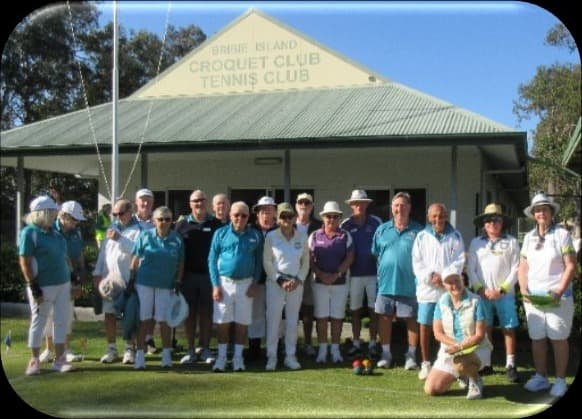
Bribie Island's doubles final goes all the way to the last hoop
Bribie Island Croquet Club's October news: a doubles final won at sheep station, Steve Bickley 8th at the GC Nationals, …
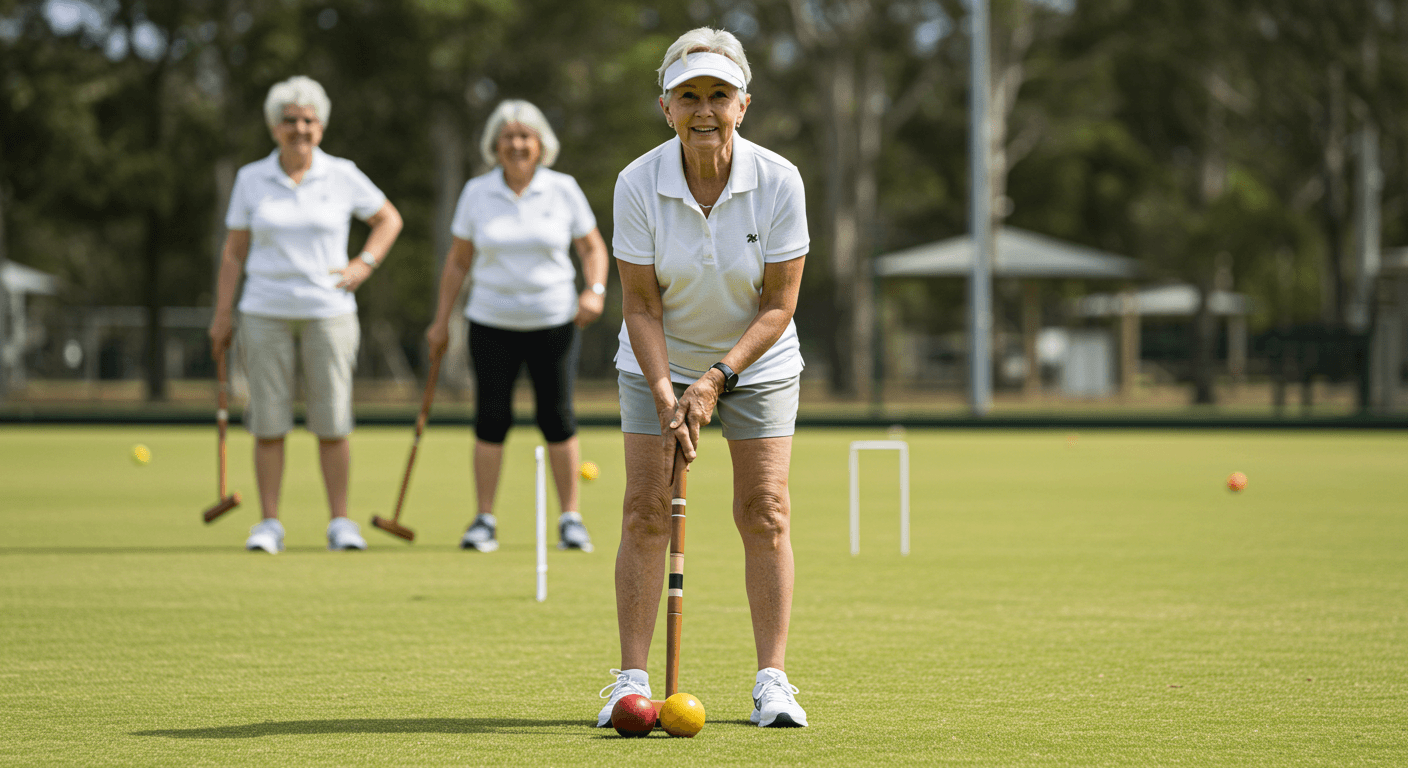
No need to sign in to play
Registered players don't need to sign in. Only visitors and overseas players must be recorded.