Could Croquet Halve Your Dementia Risk?
You've probably heard that walking is good for your brain. Recent research puts numbers to it. A typical game of croquet involves walking the lawn for two to three hours. Players regularly hit 5,000 to 7,000 steps without noticing. The exercise happe
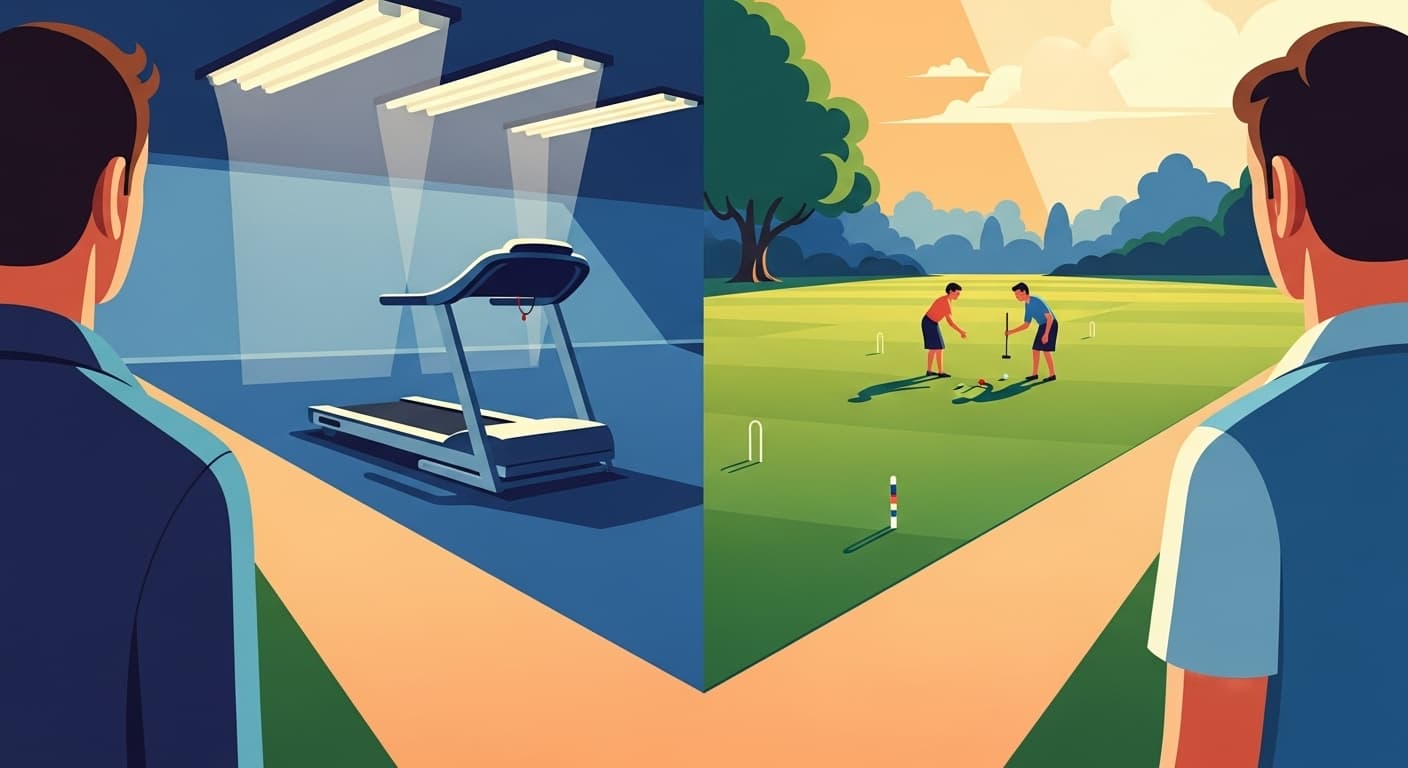
ou’ve probably heard that walking is good for your brain. Recent research puts numbers to it.

A 2022 study in JAMA Neurology tracked 78,430 UK adults over nearly seven years. The finding:
“9,826 steps per day was associated with 51% lower risk of dementia. Even 6,000 steps showed significant benefit.”
That’s a substantial difference from walking more.
[image: Senior couple walking together outdoors -- https://imagedelivery.net/IEMzXmjRvW0g933AN5ejrA/assetsbulletsitefiles-23b5a74c-8df0-8014-82ec-c70a151bee13-attachment4ae22cde-ce6a-4725-b2a4-97d0716d0f6d99766cb3-1703-44ff-bab2-602627c593b7jpg/public]
How croquet fits in
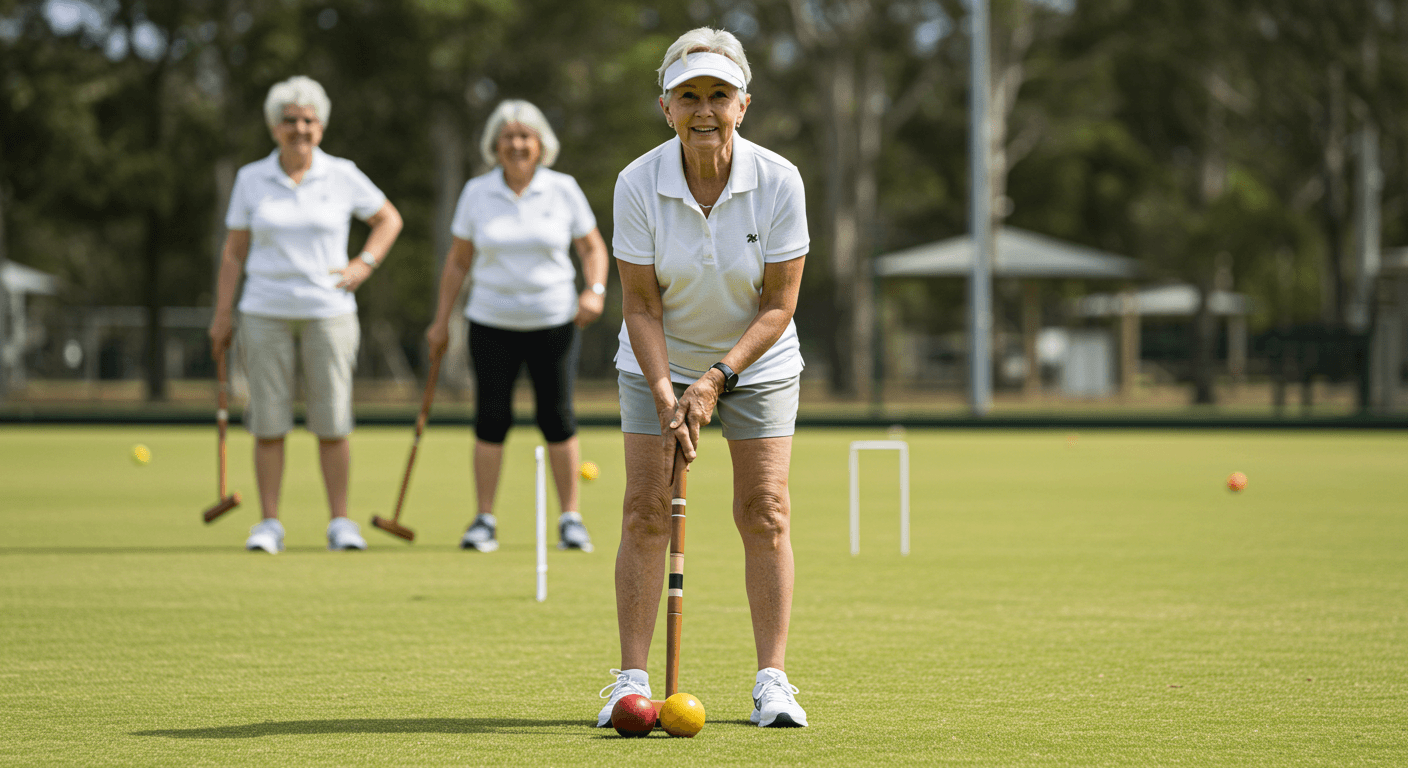
A typical game of croquet involves walking the lawn for two to three hours. Players regularly hit 5,000 to 7,000 steps without noticing. The exercise happens while you’re focused on the game.
But the walking is only part of it.
Your brain stays busy
Croquet requires planning. You’re thinking several shots ahead, calculating angles, watching what your opponent is doing. A 2002 study in JAMA found that people who regularly played strategic games had “47% lower risk of Alzheimer’s disease.” The mental work matters.
You’re doing it with others
A 2024 meta-analysis in Nature Human Behaviour found that loneliness increases dementia risk by 31%. Social isolation showed similar effects. Croquet is played in clubs, with conversation between shots, morning tea afterwards, people who notice when you’re not there.
Walking, thinking, talking
Most advice on healthy ageing covers physical activity, mental engagement, and social connection as separate items.
Croquet rolls them into a single afternoon. You play a game you enjoy, and the benefits come along for free.
If you’re looking for something that keeps your body moving and your mind working, croquet might be worth a look.
Find your nearest club at comeandtrycroquet.com →
Sources
- Steps and dementia: Del Pozo Cruz et al., JAMA Neurology (2022) — doi:10.1001/jamaneurol.2022.2672
- Loneliness and dementia: Luchetti et al., Nature Human Behaviour (2024) — doi:10.1038/s44220-024-00328-9
- Strategic games and Alzheimer’s: Wilson et al., JAMA (2002) — doi:10.1001/jama.287.6.742

Get HOOPLA! in your inbox
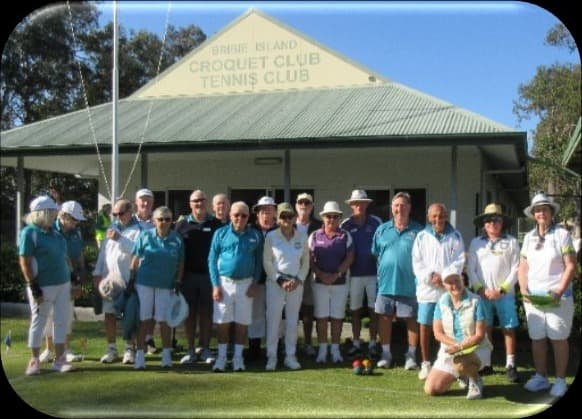
Bribie Island's doubles final goes all the way to the last hoop
Bribie Island Croquet Club's October news: a doubles final won at sheep station, Steve Bickley 8th at the GC Nationals, …
No need to sign in to play
Registered players don't need to sign in. Only visitors and overseas players must be recorded.