More Than a Game - How to Welcome the “Tea and Cake Player”
Most clubs try to attract social players by promoting "fun" and "friendship." Put smiling faces on a poster, mention morning tea, wait for people to appear.
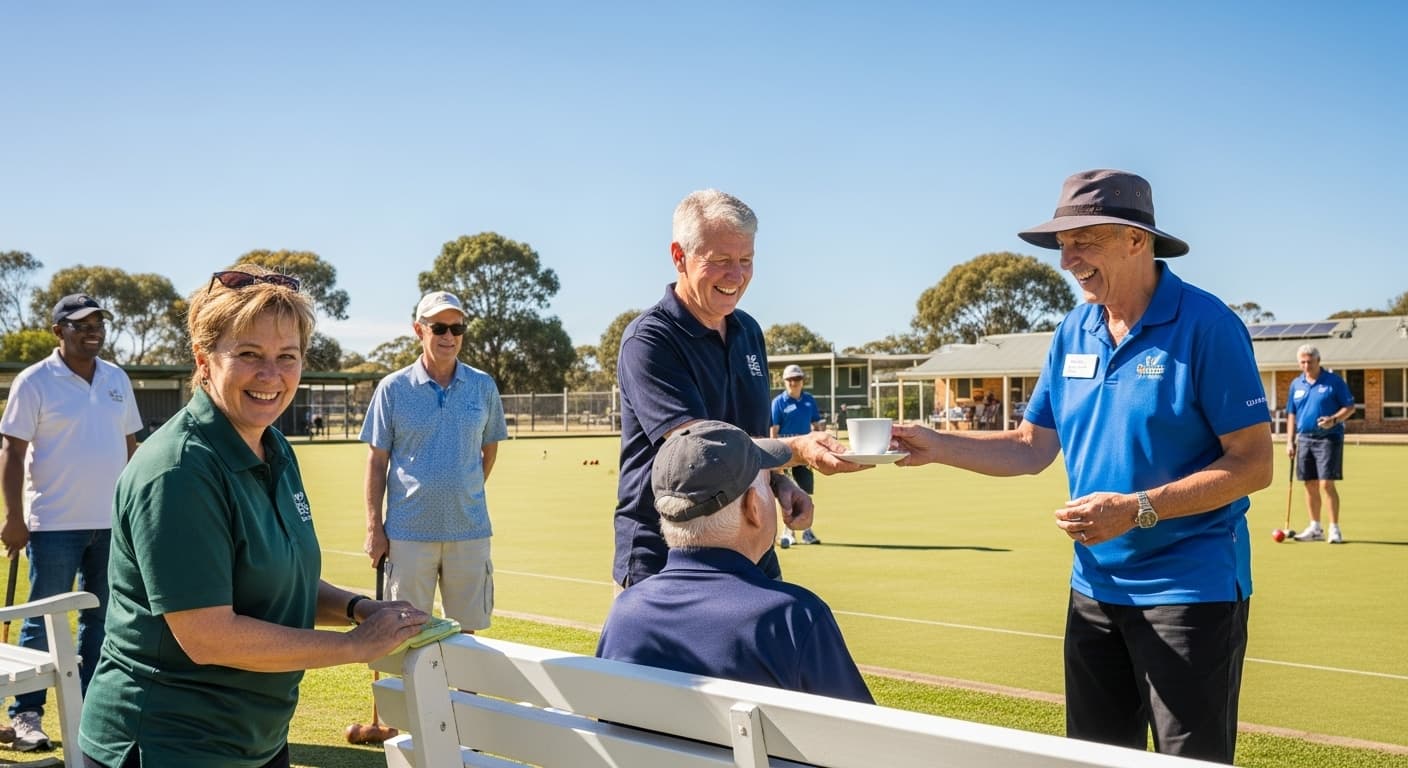
[mage: People enjoying social croquet -- https://imagedelivery.net/IEMzXmjRvW0g933AN5ejrA/assetsbulletsitefiles-2455a74c-8df0-80b0-a4b7-f5dfabd05021-attachment0609d597-f195-4887-8671-bb5af3654f74touch_grassjpg/public]

The Mistake Clubs Make
Most clubs try to attract social players by promoting "fun" and "friendship." Put smiling faces on a poster, mention morning tea, wait for people to appear.
This is advertising thinking. It describes what the club has. It doesn't address what the person needs.
The person who needs somewhere to belong isn't scanning for promises of fun. They're scanning for evidence that people like them are already here. That there's a chair with their name on it. That someone would ask where they were if they didn't come.
What They're Actually Looking For
When a social player considers croquet, they're asking three questions:
- Will I fit in here?
- Will people know my name?
- Will I be expected?
Notice what's missing: "Is it fun?" "Will I get fit?"
Those things matter, but they're side effects. Belonging is the point.
Your job is to show them that your club is a place where people are noticed. Where showing up matters. Where they'll become part of something.
Status and Belonging
Social players care about being seen. Not in a spotlight way — in a "someone saved my seat" way. They want to matter to a group.
[image: Croquet club social gathering -- https://imagedelivery.net/IEMzXmjRvW0g933AN5ejrA/assetsbulletsitefiles-2455a74c-8df0-8042-9347-cb688c266a94-attachment7fb2ddd2-3393-4e88-876e-23f3f9a41b357dce76ef-8d1a-4971-a935-80ead7438bf4jpg/public]
Showing, Not Telling
The images you use matter more than the words.
Action shots of players mid-swing? That's a signal. It says "this is about the game." Which is fine, if that's who you're looking for.
But if you want to attract someone who needs somewhere to belong, show them:
- People talking between turns
- The veranda with cups of tea
- A group laughing at something off-camera
- Someone being welcomed by name
These images say "people matter here, not just the game." That's the signal social players are looking for.
When They Walk In
The first visit is everything. A social person who walks in and nobody greets them will leave and not come back. They need to feel that this is a place where people are expected and welcomed.
[image: Welcoming atmosphere at croquet club -- https://imagedelivery.net/IEMzXmjRvW0g933AN5ejrA/assetsbulletsitefiles-2455a74c-8df0-80b8-bc8e-d8821d7a8cfb-attachment15e74d1b-22ee-4d1e-8dff-e11225ac003d6c09c712-730f-42e0-a9eb-38a6f5e09da0jpg/public]
The Invitation
You're not trying to convince social people that your club is friendly. They'll figure that out.
You're trying to show them that your club is a place where people are expected. Where names are remembered. Where someone who wants to be part of something will find others who feel the same way.
[A place to fit] + [People who notice] + [A routine to belong to] = An invitation they'll accept.
The question for your club: Is that what you're actually showing them?
Share What Works
What's helped your club make new members feel like they belong? Share your approach at Club Hub.
Know someone who might be looking for a place to fit? Send them to comeandtrycroquet.com.

Get HOOPLA! in your inbox
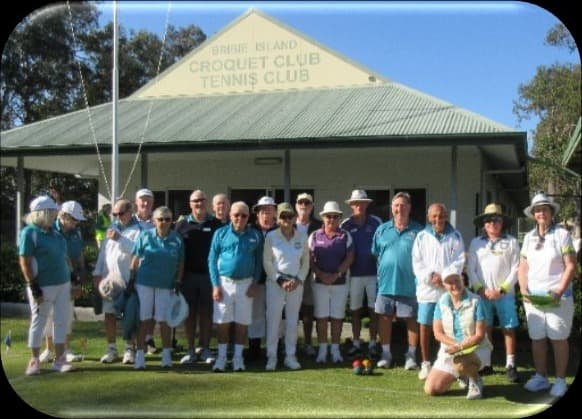
Bribie Island's doubles final goes all the way to the last hoop
Bribie Island Croquet Club's October news: a doubles final won at sheep station, Steve Bickley 8th at the GC Nationals, …
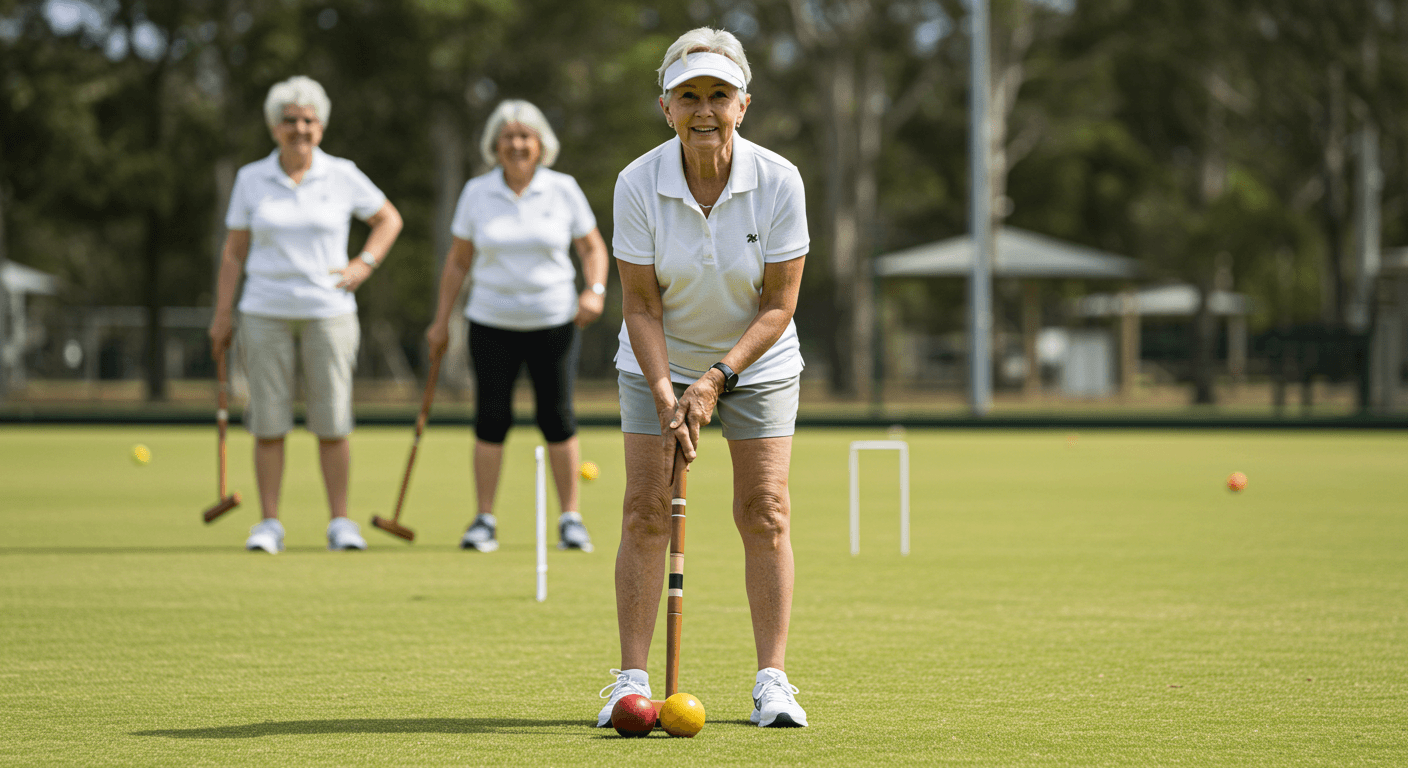
No need to sign in to play
Registered players don't need to sign in. Only visitors and overseas players must be recorded.